

Can a Hafnium Rod be used in medical applications?
Leave a message

Hey there! I'm a supplier of Hafnium Rods, and I've been getting a lot of questions lately about whether a Hafnium Rod can be used in medical applications. So, I thought I'd sit down and write a blog post to share what I've learned.
First off, let's talk a bit about hafnium. Hafnium is a shiny, silvery metal that's pretty rare. It's often found together with zirconium in nature. One of the really cool things about hafnium is its high melting point and excellent corrosion resistance. These properties make it super useful in a bunch of industrial applications, like in nuclear reactors and aerospace components.
But what about medical applications? Well, the medical field is super strict when it comes to what materials can be used. There are a ton of safety and effectiveness requirements that any material has to meet before it can be used in medical devices or treatments.
One of the key considerations for medical applications is biocompatibility. This means that the material shouldn't cause any negative reactions when it comes into contact with the human body. Hafnium has shown some promise in this area. Some studies have looked at how hafnium interacts with cells and tissues, and the results so far are pretty encouraging. It seems that hafnium doesn't trigger a strong immune response, which is a big plus.
Another aspect is the potential for using hafnium in radiation therapy. Radiation therapy is a common treatment for cancer, and doctors are always on the lookout for better ways to deliver radiation to tumors while minimizing damage to healthy tissue. Hafnium has a high atomic number, which means it can absorb and scatter radiation quite effectively. This property could be used to create more targeted radiation treatments. For example, hafnium nanoparticles or rods could be placed near a tumor, and then radiation could be directed at them. The hafnium would then absorb and re - emit the radiation in a more focused way, hitting the tumor more precisely.
However, there are also some challenges. One of the big ones is the toxicity of hafnium. While the initial studies on biocompatibility are positive, we still need to know more about the long - term effects of hafnium exposure in the human body. There's a chance that over time, hafnium could build up in certain organs and cause problems. More research is definitely needed in this area.
Also, the manufacturing and processing of hafnium for medical use need to be carefully controlled. Any impurities in the hafnium rod could potentially cause issues. As a supplier, I understand the importance of providing high - quality hafnium rods. We use advanced purification techniques to ensure that our [Hafnium Rod]( /hafnium - material/pure - hafnium/hafnium - rod.html) meet the strictest standards.
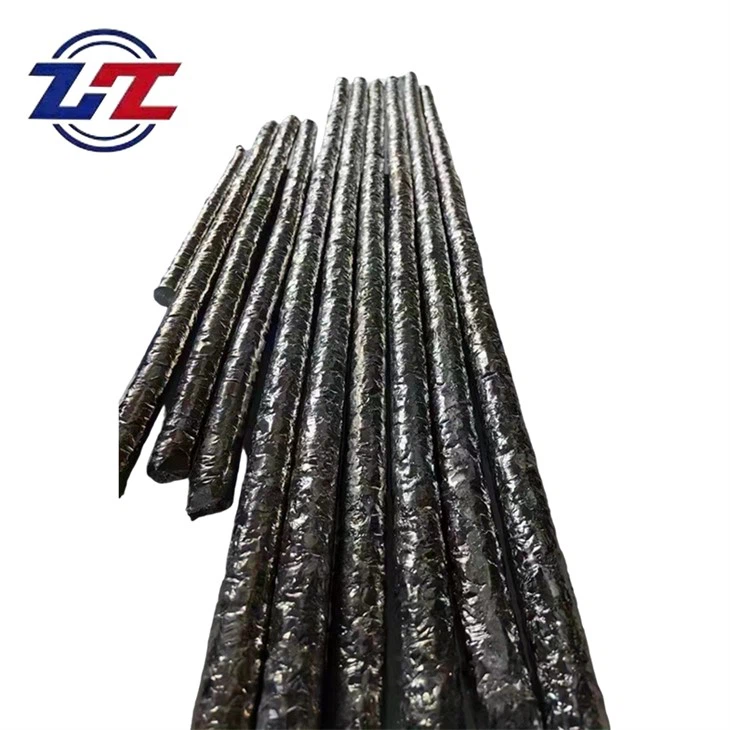
Now, let's talk about some of the potential medical devices that could use hafnium rods. One possibility is in the development of implantable sensors. These sensors could be used to monitor things like glucose levels, blood pressure, or the presence of certain biomarkers in the body. Hafnium's corrosion resistance and electrical properties make it a good candidate for this kind of application. It could be used to create a durable and reliable sensor that can function inside the body for a long time.
Another area is in the production of dental implants. Dental implants need to be strong, biocompatible, and resistant to corrosion. Hafnium rods could potentially be used to make parts of dental implants, providing a more durable and long - lasting solution.
But it's important to note that these are all still in the experimental stage. There's a long way to go before hafnium rods become a common part of medical treatments. There are a lot of regulatory hurdles to overcome, and more clinical trials need to be done to prove their safety and effectiveness.
As a supplier of [Hafnium Rod]( /hafnium - material/pure - hafnium/hafnium - rod.html), I'm really excited about the potential of hafnium in the medical field. We're constantly working to improve the quality of our products and to support research in this area. If you're a researcher or a medical device manufacturer interested in exploring the use of hafnium rods in your projects, I'd love to hear from you. We can provide you with high - quality hafnium rods and work with you to meet your specific needs.
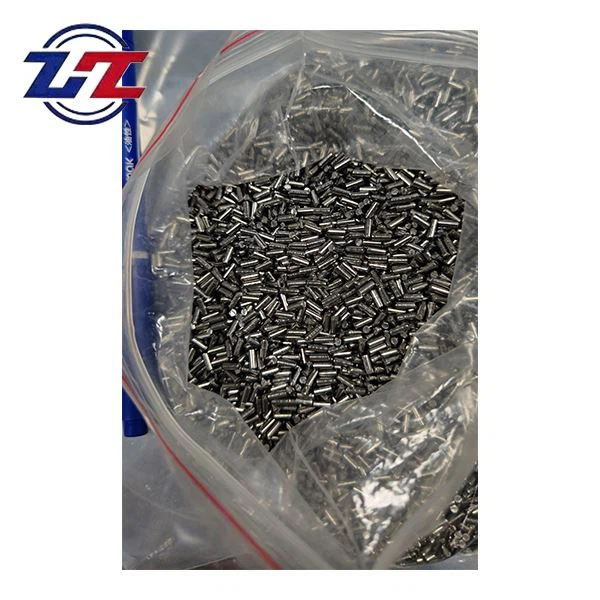
In addition to hafnium rods, we also offer [Hafnium Particles]( /hafnium - material/pure - hafnium/hafnium - particles.html). These particles can be used in a variety of applications, and they might also have some potential in the medical field, especially in areas like drug delivery systems.
So, if you're curious about how hafnium rods or particles could fit into your medical research or product development, don't hesitate to reach out. We're here to help you explore this exciting new frontier.
In conclusion, while there are still many questions and challenges to be addressed, the potential of using hafnium rods in medical applications is definitely there. With more research and development, we might see hafnium playing an important role in the future of medicine.
References
- Some general scientific literature on hafnium properties and applications
- Preliminary studies on hafnium biocompatibility and radiation absorption
- Ongoing research on potential medical uses of hafnium - based materials

