

Your Professional Hafnium Material Manufacturer!
Shaanxi Zhongheng Weichuang Metal Materials Co., Ltd. is located in the High-tech Development Zone of Baoji City, Shaanxi Province. Its main products include conventional processed profiles and deep-processed products such as tantalum, niobium, titanium, zirconium, nickel, vanadium and their alloys. The company's products are widely used in many fields such as electronics industry, metallurgy industry, chemical industry, aerospace, biomedical engineering and superconducting industry.
Why Choose Us
Professional Team
Our company boasts an experienced and highly skilled professional team. Leveraging years of accumulated technical expertise and a pool of high-caliber talent, we are committed to providing customers with timely, efficient, and comprehensive after-sales service.
Quality Control
We specialize in the export of metal materials. We maintain strict control over every stage, from raw material smelting to finished product export, to ensure the selection of high-quality metal materials and to meet the highest standards at every step.
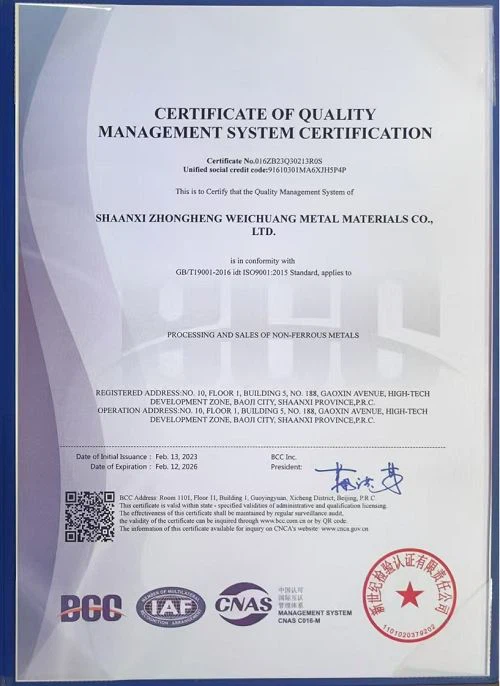
Qualification Certification
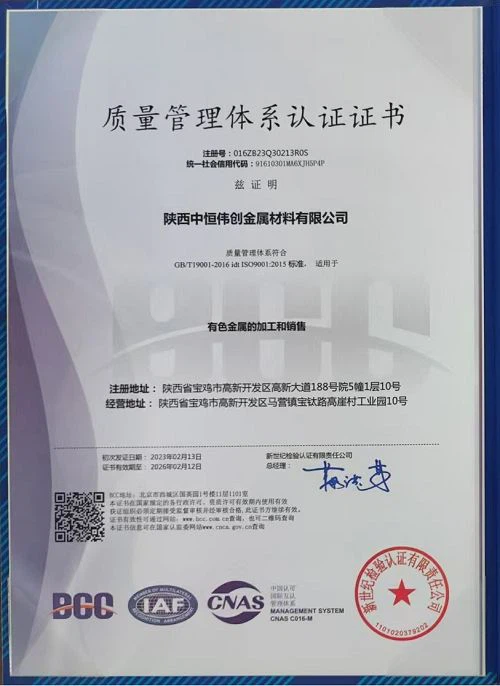
We have obtained ISO9001 quality management system certification, ensuring that our product quality and service levels adhere to international standards.
Sales Market
Our products are primarily exported to North America, Europe, and Asia, and we have established a robust international market network.


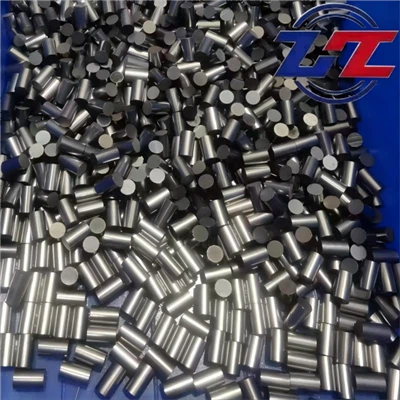


Our Best-Selling Hafnium Material Products
Our Company Has More Products to Offer, Please Browse the Product Categories on the Website, If You Have Any Needs, Please Contact Us.
Hafnium Rod
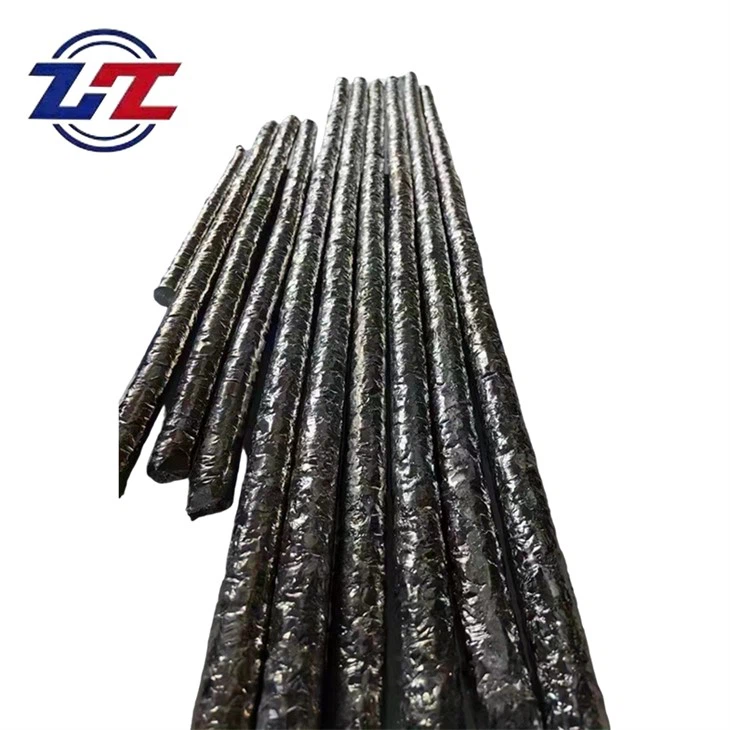
Hafnium rod is a rod-shaped metal material made of hafnium element, which has high melting point, high density, corrosion resistance, reactivity and other characteristics. It is widely used in nuclear industry, aerospace, industrial manufacturing, electronics industry and other fields.
Hafnium Wire
Hafnium wire is a filamentous material made by drawing hafnium metal, which has a series of unique physical and chemical properties and is commonly used as an alloy additive, solder, plasma cutting, etc.
Hafnium Strip
Hafnium strip is a strip-shaped product processed from hafnium metal, which has the characteristics of hafnium metal and is commonly used as an absorbent, additive, catalyst, etc.
Hafnium Plate
Hafnium Plate is a high-purity metallic sheet processed from hafnium metal, renowned for its exceptional corrosion resistance. It finds applications across various industries, including electronics, nuclear energy, aerospace, and more.
Hafnium Rod Properties
|
Molecular Weight |
178.49 |
|
Appearance |
Silver |
|
Melting Point |
2227 °C |
|
Boiling Point |
4602 °C |
|
Density |
13.31 g/cm3 |
|
Solubility in H2O |
N/A |
|
Electrical Resistivity |
35.1 microhm-cm @ 25 °C |
|
Electronegativity |
1.3 Paulings |
|
Heat of Fusion |
6.0 Cal/gm mole |
|
Heat of Vaporization |
155 K-Cal/gm atom at 4602 °C |
|
Poisson's Ratio |
0.37 |
|
Specific Heat |
0.035 Cal/g/K @ 25 °C |
|
Tensile Strength |
N/A |
|
Thermal Conductivity |
0.230 W/cm/K @ 298.2 K |
|
Thermal Expansion |
(25 °C) 5.9 µm·m-1·K-1 |
|
Vickers Hardness |
1760 MPa |
|
Young's Modulus |
78 GPa |
Hafnium Rod Chemical Compositon
|
Classification |
Nuclear industry |
General industrial |
|
|
Main components |
Hf |
Margin |
Margin |
|
Lmpurity≤ |
Al |
0.010 |
0.050 |
|
C |
0.015 |
0.025 |
|
|
Cr |
0.010 |
0.050 |
|
|
Cu |
0.010 |
- |
|
|
H |
0.0025 |
0.0050 |
|
|
Fe |
0.050 |
0.0750 |
|
|
Mo |
0.0020 |
- |
|
|
Ni |
0.0050 |
- |
|
|
Nb |
0.010 |
- |
|
|
N |
0.010 |
0.0150 |
|
|
O |
0.040 |
0.130 |
|
|
Si |
0.010 |
0.050 |
|
|
W |
0.020 |
- |
|
|
Sn |
0.0050 |
- |
|
|
Ti |
0.010 |
0.050 |
|
|
Ta |
0.0150 |
0.0150 |
|
|
U |
0.0010 |
- |
|
|
V |
0.0050 |
- |
|
|
Zr |
3.5 |
3.5 |
|
1. Used to produce electric light source parts and electric vacuum components.
2. Used to produce heating elements and refractory parts in high-temperature furnaces.
3. Used to produce medical laboratory equipment.
4. Used as electrodes in the field of rare earth industry.
5. Used in the manufacture of weapons.
6. Used to make decorations.
Hafnium Wires Specification
|
Molecular Weight |
178.49 |
|
Appearance |
Silver |
|
Melting Point |
2227 °C |
|
Boiling Point |
4602 °C |
|
Density |
13.31 g/cm3 |
|
Vickers Hardness |
1760 MPa |
|
Young's Modulus |
78 GPa |
Hafnium Wire Chemical Compositions
|
Element |
Concentration(ppm,wt) |
Element |
Concentration(ppm,wt) |
|
Li |
< 0.005 |
Pd |
< 0.05 |
|
Be |
< 0.001 |
AÇ |
< 0.05 |
|
B |
< 0.005 |
Cd |
< 0.05 |
|
C |
- |
In |
< 0.005 |
|
N |
- |
Sn |
< 0.01 |
|
O |
- |
Sb |
< 0.01 |
|
F |
< 0.05 |
Te |
< 0.05 |
|
Na |
< 0.01 |
I |
< 0.05 |
|
MÇ |
< 0.01 |
Cs |
< 0.005 |
|
Al |
1.8 |
Ba |
< 0.005 |
|
Si |
2.7 |
La |
< 0.005 |
|
P |
0.006 |
Ce |
< 0.005 |
|
S |
0.26 |
Pr |
< 0.005 |
|
Cl |
0.02 |
Nd |
< 0.005 |
|
K |
< 0.05 |
Sm |
< 0.005 |
|
Ca |
< 0.05 |
Eu |
< 0.005 |
|
Sc |
<= 6* |
Gd |
< 0.005 |
|
Ti |
0.13 |
Tb |
< 0.005 |
|
V |
< 0.005 |
Dy |
< 0.005 |
|
Cr |
0.10 |
Ho |
< 0.005 |
|
Mn |
0.06 |
Er |
< 0.005 |
|
Fe |
1.6 |
Tm |
< 0.005 |
|
Co |
0.02 |
Yb |
< 0.005 |
|
Ni |
0.15 |
Lu |
< 0.005 |
|
Cu |
0.03 |
Hf |
Matrix |
|
Zn |
< 0.05 |
Ta |
< 5 |
|
Ga |
< 0.01 |
W |
0.02 |
|
Ge |
< 0.01 |
Re |
< 0.05 |
|
As |
< 0.005 |
Os |
< 0.01 |
|
Se |
< 0.05 |
Ir |
< 0.05 |
|
Br |
< 0.005 |
Pt |
< 0.2 |
|
Rb |
< 0.005 |
Au |
< 0.05 |
|
Sr |
< 0.01 |
HÇ |
< 0.05 |
|
Y |
< 0.01 |
Tl |
< 0.005 |
|
Zr |
- 0.81 wt% |
Pb |
< 0.005 |
|
Nb |
< 1 |
Bi |
< 0.005 |
|
Mo |
1.0 |
Th |
< 0.001 |
|
Ru |
< 0.005 |
U |
0.002 |
|
Rh |
< 0.01 |
● Straight Hf wire
● Coiled Hf wire
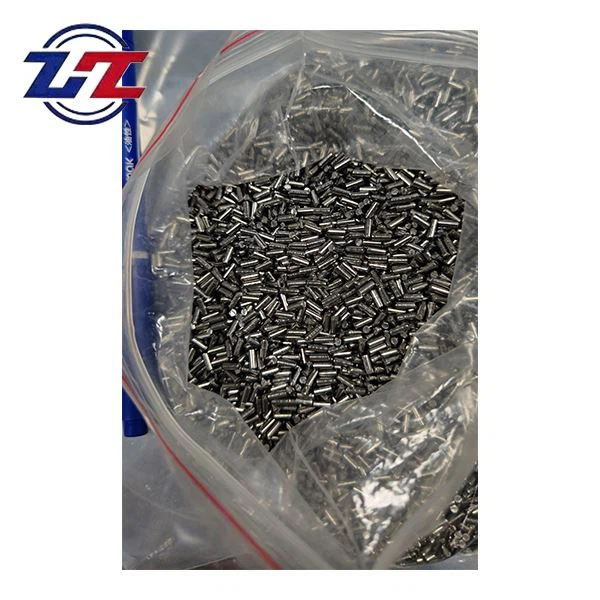
● Hf Metal Particle
Hafnium (Hf) Wire Applications
Aerospace industry:
Hafnium wire is used to manufacture high-temperature components such as aircraft engine blades and rocket engine nozzles.
Nuclear industry:
Hafnium wire is used as a cladding material for nuclear fuel rods due to its excellent neutron-absorbing properties.

Petrochemical industry:
Hafnium wire is used to produce corrosion-resistant reactors for chemical processing.
Alloying element:
Hafnium wire can be used as an alloying element in combination with other materials such as tungsten and chromium to enhance their properties.
Hafnium Strip Properties
|
Molecular Weight |
178.49 |
|
Appearance |
Silver |
|
Melting Point |
2227 °C |
|
Boiling Point |
4602 °C |
|
Density |
13.31 g/cm3 |
|
Solubility in H2O |
N/A |
|
Electrical Resistivity |
35.1 microhm-cm @ 25 °C |
|
Electronegativity |
1.3 Paulings |
|
Heat of Fusion |
6.0 Cal/gm mole |
|
Heat of Vaporization |
155 K-Cal/gm atom at 4602 °C |
|
Poisson's Ratio |
0.37 |
|
Specific Heat |
0.035 Cal/g/K @ 25 °C |
|
Tensile Strength |
N/A |
|
Thermal Conductivity |
0.230 W/cm/K @ 298.2 K |
|
Thermal Expansion |
(25 °C) 5.9 µm·m-1·K-1 |
|
Vickers Hardness |
1760 MPa |
|
Young's Modulus |
78 GPa |
Hafnium Foil Specifications
|
Thickness |
Width |
Length |
|
001″ to 003″ |
Up to 4″ maximum |
Up to 12″ maximum |
|
004″ to 008″ |
Up to 6″ maximum |
Up to 20″ maximum |
|
009″ to 015″ |
Up to 6″ maximum |
Up to 24″ maximum |
|
016″ to 030″ |
Up to 6″ maximum |
Up to 12″ maximum |
Hafnium Foil Chemical Composition
|
Element |
Minimum weight % (Coarse) |
Maximum weight % (Coarse) |
Minimum weight % (Fine) |
Maximum weight % (Fine) |
|
Ti |
0.7% |
1.3% |
0.7% |
1.3% |
|
Hf |
9% |
11% |
9% |
11% |
|
Zr |
<0.7% |
<0.7% |
||
|
W |
<0.5% |
<0.5% |
||
|
O |
<0.025% |
<0.0325% |
||
|
Ta |
<0.5% |
<0.5% |
||
|
N |
<0.01% |
<0.01% |
||
|
C |
<0.015% |
<0.015% |
||
|
H |
<0.0015% |
<0.0015% |
||
|
Nb |
Balance |
Balance |
Application of Hafnium Strip
Nuclear Reactors
Hafnium strip is a star player in nuclear reactors because it can absorb neutrons. This makes it perfect for control rods, which help keep the fission process in check, ensuring the reactor stays safe and stable.
Electronics and Semiconductors
Hafnium oxide (HfO2) is a key material in making modern electronics more efficient. It's used in transistors, which are the building blocks of devices like smartphones and computers, helping them run faster and more efficiently.
Aerospace and Defense
In the aerospace and defense sectors, hafnium strip's ability to handle extreme heat and stay strong under pressure is highly valued. It's used in jet engines, rocket parts, and even plasma cutting tools.
Metal Fabrication
Hafnium strip is used in metal fabrication as an electrode for plasma cutting. Its high heat resistance and strength allow for precise cuts and longer-lasting tools. Hafnium strip is a key component in superalloys, enhancing their strength and resistance to heat and corrosion.
Hafnium Plate Properties
|
Molecular Weight |
178.49 |
|
Appearance |
Silver |
|
Melting Point |
2227 °C |
|
Boiling Point |
4602 °C |
|
Density |
13.31 g/cm3 |
|
Solubility in H2O |
N/A |
|
Electrical Resistivity |
35.1 microhm-cm @ 25 °C |
|
Electronegativity |
1.3 Paulings |
|
Heat of Fusion |
6.0 Cal/gm mole |
|
Heat of Vaporization |
155 K-Cal/gm atom @ 4602 °C |
|
Poisson's Ratio |
0.37 |
|
Specific Heat |
0.035 Cal/g/K @ 25 °C |
|
Tensile Strength |
N/A |
|
Thermal Conductivity |
0.230 W/cm/K @ 298.2 K |
|
Thermal Expansion |
(25 °C) 5.9 µm·m-1·K-1 |
|
Vickers Hardness |
1760 MPa |
|
Young's Modulus |
78 GPa |
Hafnium Plate Specification
|
Hf Purity |
99.5% |
|
Molecular weight |
178.49; |
|
Density |
13.31 g/cm3 |
|
Melting point |
2227 ℃; |
|
Boiling point |
4602 ℃ |
|
Width, length, thickness |
As customized. |
Hafnium Plate Chemical Compositions
|
Rade |
Chemical composition (mass fraction)/%≤ |
||||||||
|
Hf |
Zr |
Al |
C |
Cr |
Cu |
H |
Fe |
Mo |
|
|
R1 |
Balance |
- |
0.010 |
0.015 |
0.010 |
0.010 |
0.0025 |
0.050 |
0.0020 |
|
R3 |
Balance |
- |
0.050 |
0.025 |
0.050 |
- |
0.0050 |
0.0750 |
- |
|
Grade |
Chemical composition (mass fraction)/%≤ |
||||||||
|
O |
Si |
Ti |
Ta |
Sn |
W |
U |
V |
N |
|
|
R1 |
0.040 |
0.010 |
0.010 |
0.020 |
0.0050 |
0.0150 |
0.0010 |
0.0050 |
0.010 |
|
R3 |
0.130 |
0.050 |
0.050 |
- |
- |
0.0150 |
- |
- |
0.0150 |

1. Hafnium plates can be processed into components, structural components, resistance components, and connectors for high-tech equipment.
2. Hafnium plates can be processed into hafnium products such as hafnium bars, hafnium sheets, hafnium strips, hafnium crucibles, etc.
3. High purity hafnium plates can be processed into hafnium sputtering targets for sputtering coating.
Packing
We will be carefully placed in wooden cases or cartons with additional support from soft materials to prevent any shifting during transportation. This packaging method guarantees the integrity of the products throughout the delivery process.

Order Process
Contact us: Contact us via email, phone or official website to get detailed information on product specifications, stock status and pricing.
Submit requirements: Clearly convey your specific requirements, including required quantity, quality grade and any special processing or packaging needs.
Receive quotation: We will provide a detailed quotation based on your requirements.
Confirm order: After reviewing and agreeing to all terms and conditions, please place a formal order and specify key details such as delivery date and payment method.
Track order: We maintain close communication with you throughout the production and delivery process to ensure timely delivery of order progress.
Accept goods: After receiving the goods, conduct a thorough quality inspection and quantity verification as specified in the contract.
Complete payment: Complete payment according to the payment method and schedule specified in the contract.
Our Certificate


FAQ
We're professional hafnium material manufacturers and suppliers in China, specialized in providing high quality customized service. We warmly welcome you to buy hafnium material for sale here and get pricelist from our factory. For price consultation, contact us.