

Your Leading Hafnium Rod Supplier
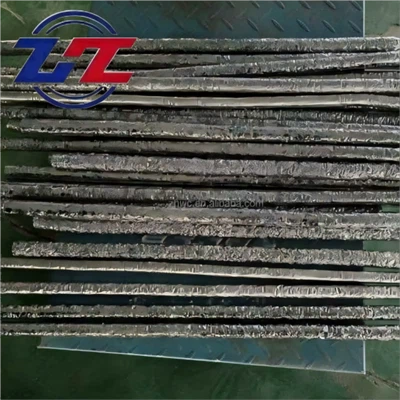
Shaanxi Zhongheng Weichuang Metal Materials Co., Ltd. specializes in the export of metal materials. From smelting to export, we strive for excellence. The company mainly engages in the production of conventional processed profiles such as plates, strips, foils, rods, wires, and tubes made of tantalum, niobium, hafnium, tantalum tungsten alloy, niobium hafnium alloy c103, as well as deep processed products such as boats, crucibles, sputtering targets, coating targets, machined parts, high-temperature furnace insulation screens, heating elements, furnace bodies (heating furnaces, annealing furnaces), and corrosion-resistant equipment. Hafnium rod is a ductile, lustrous silver metal which can easily resist corrosion due to the presence of a tough, impenetrable oxide film on its surface.




Why Choose Us?
Professional Team
The company has many years of experience in technology and a high-quality work team, which can provide customers with timely and comprehensive service.
Quality Assurance
We maintain strict control over every stage, from raw material smelting to finished product export, to ensure the selection of high-quality metal materials and to meet the highest standards at every step.
Production Market
Our non-ferrous metals, such as tantalum, niobium, and titanium, are primarily exported to North America, Europe, and Asia.
Wide Range of Applications
Our products are widely used in a variety of fields, including electronics, metallurgy, chemicals, aerospace, biomedical engineering, and superconductivity, etc.
Parameters of Hafnium Rod
|
Item |
Hafnium rods |
|
Material |
Pure Hafnium |
|
Purity |
99.95% |
|
Size |
Customized |
Types of Hafnium Rod
Hafnium Titanium Alloy Rods
Hafnium titanium alloy rod is a Hafnium titanium alloy mainly composed of hafnium (Hf) and titanium (Ti). Hafnium titanium alloy is an excellent corrosion resistant structural material with a Neutron absorption alloy. After a multi pass forging process, it has been applied in various fields Nuclear reactor control rods, Aerospace grade alloy,Medical implant materials class.
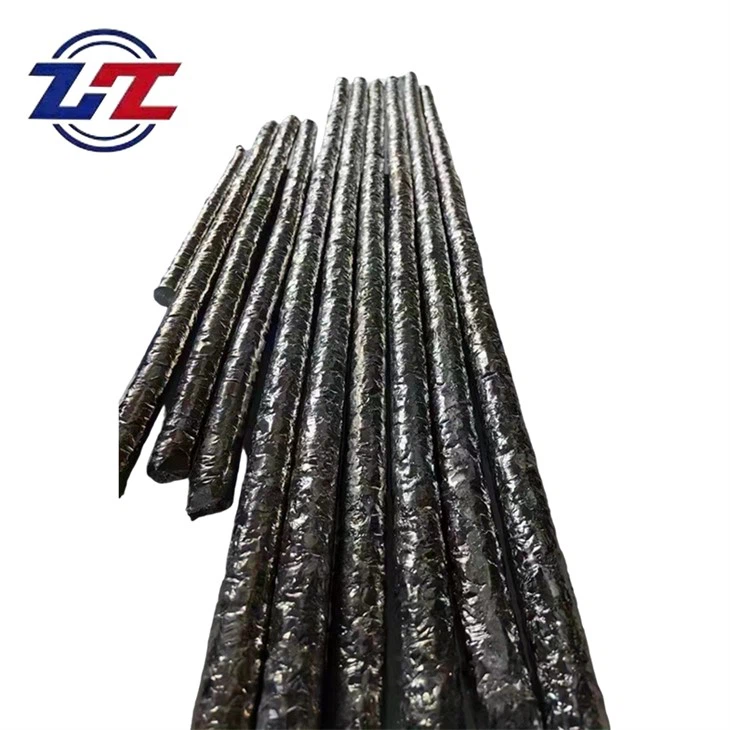
Hafnium Rod
Hafnium rod is a rod-shaped metal material made of hafnium element, which has high melting point, high density, corrosion resistance, reactivity and other characteristics. It is widely used in nuclear industry, aerospace, industrial manufacturing, electronics industry and other fields.
Physical Properties of Hafnium Rod
|
Properties |
Metric |
Imperial |
|
Density |
13.31 g/cm3 |
0.4809 lb/in3 |
|
Melting point |
2200 °C |
3992°F |
|
Boiling point |
5200 °C |
9392°F |
Chemical Properties of Hafnium Rod
|
Chemical Data |
|
|
CAS number |
7440-58-6 |
|
Ionic radius |
0.780 Å |
|
Electronegativity |
1.3 |
|
X-ray absorption edge |
0.18981 Å |
Applications of Hafnium Rod
Nuclear Industry:
Hafnium has good neutron absorption properties, so hafnium rods are commonly used in nuclear reactors as part of the control rods to help regulate the flow of neutrons in the reactor and maintain stable reactor operation.
01
Aerospace:
Hafnium rods are used in the aerospace industry to make high-temperature alloys and engine components.
02
Electronics and Semiconductor Industry:
Hafnium rods are used to manufacture semiconductor devices, especially in integrated circuits. It is used as a key material in transistor and fiber optic technology to enhance device performance and stability.
03
Chemical Industry:
Hafnium rods' corrosion resistance has led to their use in the chemical industry as a material for the manufacture of high-temperature, corrosion-resistant equipment and apparatus, such as reactors and piping.
04
Scientific Research and Testing:
Hafnium rods are widely used in materials science research and the melting of high-temperature alloys.
05
Safety Information of Hafnium Rod
INHALATION:
Remove to fresh air, keep warm and quiet, give oxygen if breathing is difficult. Seek medical attention.
SKIN:
Remove contaminated clothing, brush material off skin, wash affected area with soap and water. Seek medical attention if symptoms develop or persist.

INGESTION:
Rinse mouth with water. Do not induce vomiting. Seek medical attention. Never induce vomiting or give anything by mouth to an unconscious person.
EYES:
Flush eyes with lukewarm water, including under upper and lower eyelids, for at least 15 minutes. Seek medical attention if symptoms develop or persist.
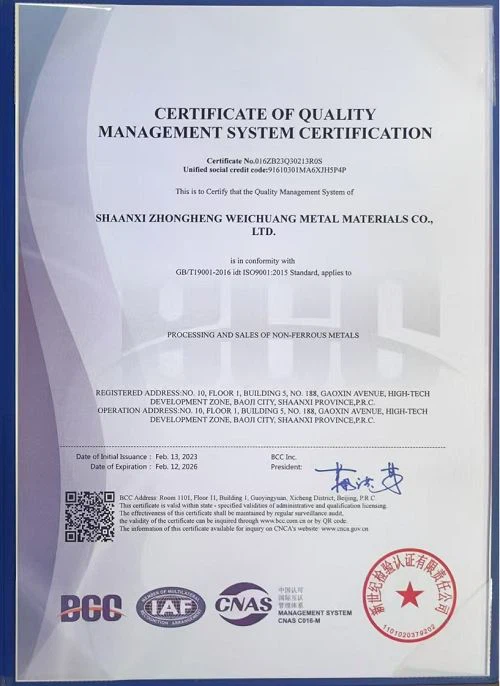
Certificate


When stored, hafnium needs to be in a cool, ventilated place, kept away from fire and/or heat sources.
Some compounds of hafnium are toxic and could cause health problems.
Handling facilities need to make sure they have good ventilation and that dust is removed from the air.
Packaging of Hafnium Rod
The Hafnium Rod is carefully placed in wooden cases or cartons with additional support from soft materials to prevent any shifting during transportation. This packaging method guarantees the integrity of the products throughout the delivery process.

fAQ
We're professional hafnium rod manufacturers and suppliers in China, specialized in providing high quality customized service. We warmly welcome you to buy hafnium rod for sale here and get pricelist from our factory. For price consultation, contact us.
hafnium alloy wire, Hafnium Rod, hafnium tailing