

Can niobium plate be used in long - term high - stress environments?
Leave a message

Can niobium plate be used in long - term high - stress environments?
As a supplier of Niobium Plate, I often encounter inquiries from customers about the suitability of niobium plates in various applications, especially in long - term high - stress environments. This blog aims to delve into this topic and provide a comprehensive analysis based on scientific knowledge and practical experience.
Properties of Niobium Plate
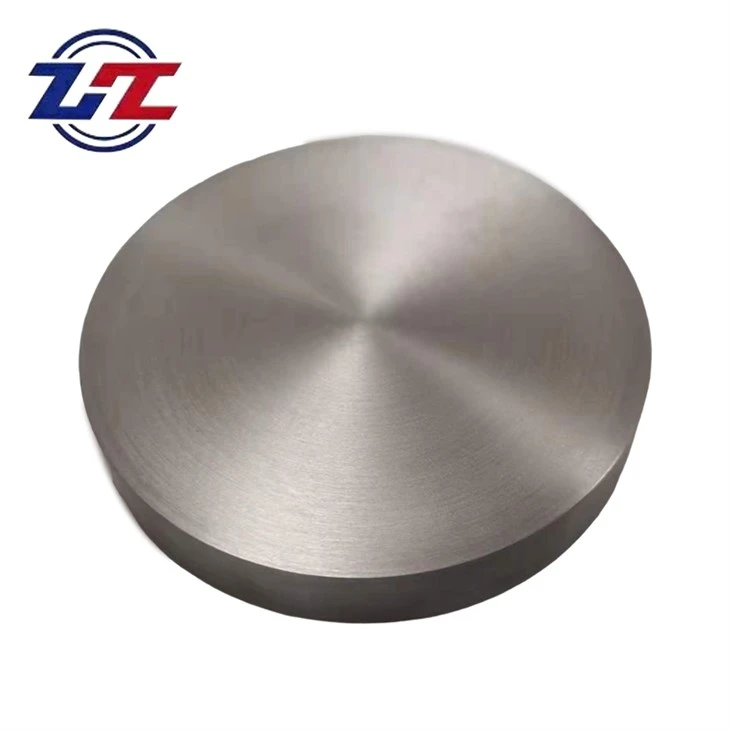
Niobium, a lustrous, gray, ductile transition metal, has unique physical and chemical properties that make it an attractive material for many industries. Niobium plates, which are made from this remarkable element, inherit several key characteristics.
One of the most notable properties of niobium is its high melting point, which is around 2468 °C. This high melting point gives niobium plates excellent thermal stability, allowing them to maintain their structural integrity even under extreme heat. In addition, niobium has good corrosion resistance, especially in certain acidic and alkaline environments. It forms a passive oxide layer on its surface, which protects the underlying metal from further corrosion.
From a mechanical perspective, niobium is relatively soft and ductile at room temperature. However, its strength can be significantly enhanced through alloying and proper heat treatment. Niobium plates can be fabricated with different thicknesses and sizes to meet various engineering requirements.
Performance in High - Stress Environments
When considering the use of niobium plates in long - term high - stress environments, several factors need to be taken into account, including mechanical strength, fatigue resistance, and creep resistance.

Mechanical Strength
Under high - stress conditions, the mechanical strength of a material is crucial. Niobium, in its pure form, has a moderate tensile strength. However, when alloyed with other elements such as titanium, zirconium, or tantalum, the strength of niobium - based alloys can be substantially increased. For example, some niobium - titanium alloys have been developed for use in aerospace and nuclear applications, where high strength is required. These alloys can withstand high - stress loads without significant deformation or failure.
Fatigue Resistance
Fatigue is a major concern in long - term high - stress applications. Fatigue occurs when a material is subjected to repeated cyclic loading, which can lead to the initiation and propagation of cracks over time. Niobium plates, especially those with proper microstructures and surface finishes, can exhibit good fatigue resistance. The ductility of niobium helps to absorb energy during cyclic loading, reducing the likelihood of crack formation. Additionally, the formation of stable oxide layers on the surface of niobium plates can also enhance their fatigue performance by protecting the material from environmental factors that may accelerate crack growth.
Creep Resistance
Creep is the slow, continuous deformation of a material under a constant load at elevated temperatures. In high - stress and high - temperature environments, creep can be a limiting factor for the use of materials. Niobium has relatively good creep resistance compared to some other metals. At high temperatures, the atomic diffusion rate in niobium is relatively low, which slows down the creep process. However, the creep resistance of niobium can be further improved through alloying and the addition of fine - scale precipitates that impede the movement of dislocations within the crystal lattice.
Applications in High - Stress Environments
There are several industries where niobium plates are used in high - stress environments.
Aerospace Industry
In the aerospace industry, niobium plates are used in components such as rocket nozzles and engine parts. These components are subjected to extremely high temperatures and stresses during operation. The high melting point and good mechanical properties of niobium make it suitable for these applications. For example, niobium - based alloys can withstand the intense heat and pressure generated during rocket launches, ensuring the reliability and performance of the aerospace systems.
Nuclear Industry
In the nuclear industry, niobium plates are used in reactor components. These components are exposed to high radiation levels, high temperatures, and mechanical stresses. Niobium's corrosion resistance and ability to maintain its properties under radiation make it a valuable material for nuclear applications. For instance, niobium can be used in the construction of fuel cladding and structural components in nuclear reactors.
Oil and Gas Industry
In the oil and gas industry, niobium plates are used in downhole tools and pipelines. These components are subjected to high pressures and stresses in harsh underground environments. The corrosion resistance and mechanical strength of niobium plates make them suitable for protecting against corrosion and ensuring the integrity of the oil and gas infrastructure.
Related Niobium Products
In addition to niobium plates, our company also offers a range of related niobium products, such as Niobium Processed Parts and Niobium Foil. Niobium processed parts are precision - machined components that can be customized to meet specific design requirements. Niobium foil, on the other hand, is a thin sheet of niobium that is often used in applications where a high surface - area - to - volume ratio is needed, such as in electronic devices and chemical sensors.
Conclusion
In conclusion, niobium plates can be used in long - term high - stress environments, thanks to their unique combination of properties such as high melting point, good mechanical strength, fatigue resistance, and creep resistance. Through proper alloying and processing techniques, the performance of niobium plates can be further optimized to meet the specific requirements of different applications.
If you are interested in purchasing niobium plates or other niobium products for high - stress applications, please feel free to contact us for more information and to discuss your specific needs. We are committed to providing high - quality niobium materials and excellent customer service.
References
- ASM Handbook, Volume 2: Properties and Selection: Nonferrous Alloys and Special - Purpose Materials.
- "Niobium: Science, Technology, and Application" by various authors.
- Research papers on the mechanical properties and applications of niobium in high - stress environments from scientific journals such as Metallurgical and Materials Transactions.

