

Can niobium wire be used in nuclear reactors?
Leave a message

Niobium, a lustrous, gray, ductile transition metal, has been garnering increasing attention in various high - tech industries. As a dedicated Niobium Wire supplier, I often encounter inquiries about the potential use of niobium wire in nuclear reactors. This blog post aims to explore the viability of using niobium wire in nuclear reactors from multiple scientific perspectives.
Properties of Niobium Wire
Niobium wire possesses several remarkable properties that make it a candidate for use in nuclear reactors. Firstly, niobium has a high melting point of approximately 2468 °C. In a nuclear reactor, where extreme heat is generated during the fission process, materials with high melting points are crucial to maintain structural integrity. For example, in a pressurized water reactor (PWR), the coolant temperature can reach up to 320 °C. Niobium wire's high melting point ensures that it can withstand these elevated temperatures without melting, which is essential for long - term operation.
Secondly, niobium has good corrosion resistance. Nuclear reactors operate in harsh chemical environments. The coolant in a reactor may contain various chemicals and dissolved oxygen. Niobium forms a stable oxide layer on its surface, which protects it from corrosion. This property reduces the risk of material degradation over time, ensuring the safety and reliability of the reactor components.
In addition, niobium has relatively low neutron absorption cross - section. In a nuclear reactor, neutrons play a central role in the fission chain reaction. Materials with high neutron absorption cross - sections can absorb neutrons, reducing the efficiency of the chain reaction. Niobium's low neutron absorption cross - section means that it has minimal interference with the neutron flux in the reactor, allowing the fission process to proceed smoothly.
Potential Applications in Nuclear Reactors
- Control Rods and Structural Components
Niobium wire could potentially be used in the manufacturing of control rods. Control rods are used to regulate the rate of the nuclear fission reaction by absorbing neutrons. The low neutron absorption cross - section of niobium can be carefully engineered to fine - tune the absorption characteristics when combined with other neutron - absorbing materials. For example, it could be used as a structural support within the control rod assembly, providing mechanical strength while not significantly affecting the neutron economy.
As for structural components, niobium wire can be used in the construction of internal reactor structures. Its high strength and corrosion resistance make it suitable for applications where it needs to withstand the high - pressure and high - temperature environment inside the reactor. For instance, it could be used in the support structures for fuel assemblies, ensuring the proper alignment and stability of the fuel rods.
2. Instrumentation and Sensors
In nuclear reactors, accurate instrumentation and sensors are essential for monitoring various parameters such as temperature, pressure, and radiation levels. Niobium wire can be used in the construction of these sensors. Its high electrical conductivity and stability under high - temperature conditions make it a good candidate for electrical wiring within the sensors. Moreover, its resistance to corrosion ensures the long - term reliability of the sensors in the harsh reactor environment.
Challenges and Limitations
Despite its promising properties, there are also some challenges and limitations associated with using niobium wire in nuclear reactors.
- Cost
Niobium is a relatively rare metal, and the production of high - quality niobium wire involves complex manufacturing processes. As a result, the cost of niobium wire is relatively high compared to some traditional materials used in nuclear reactors, such as stainless steel. This high cost may limit its widespread use in large - scale reactor construction. - Fabrication Difficulties
Niobium wire requires specialized fabrication techniques. It is a relatively soft metal, and shaping it into complex geometries for reactor components can be challenging. Additionally, welding niobium wire without introducing impurities or defects is a delicate process. These fabrication difficulties may increase the production time and cost, and also pose challenges to ensuring the quality of the final products. - Radiation - Induced Embrittlement
Although niobium has good resistance to many aspects of the nuclear environment, long - term exposure to high - energy radiation can cause radiation - induced embrittlement. This phenomenon can reduce the ductility and toughness of the niobium wire, increasing the risk of cracking and failure. Understanding and mitigating this issue is crucial for the safe use of niobium wire in nuclear reactors.
Our Offerings as a Niobium Wire Supplier
As a Niobium Wire supplier, we are committed to providing high - quality niobium wire products. Our niobium wire is produced using advanced manufacturing processes, ensuring its purity, uniformity, and excellent mechanical properties. We can customize the wire according to the specific requirements of our customers, including different diameters, lengths, and surface finishes.
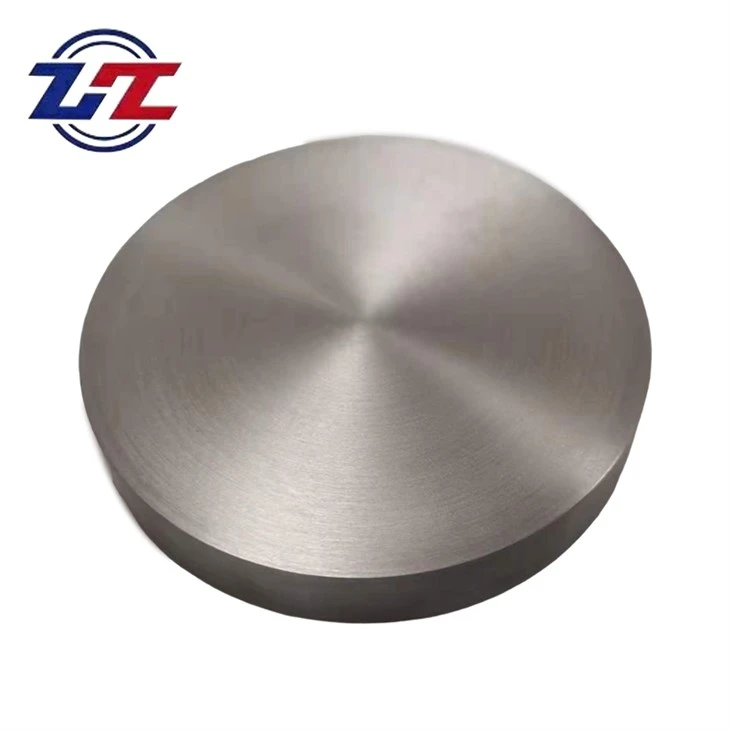
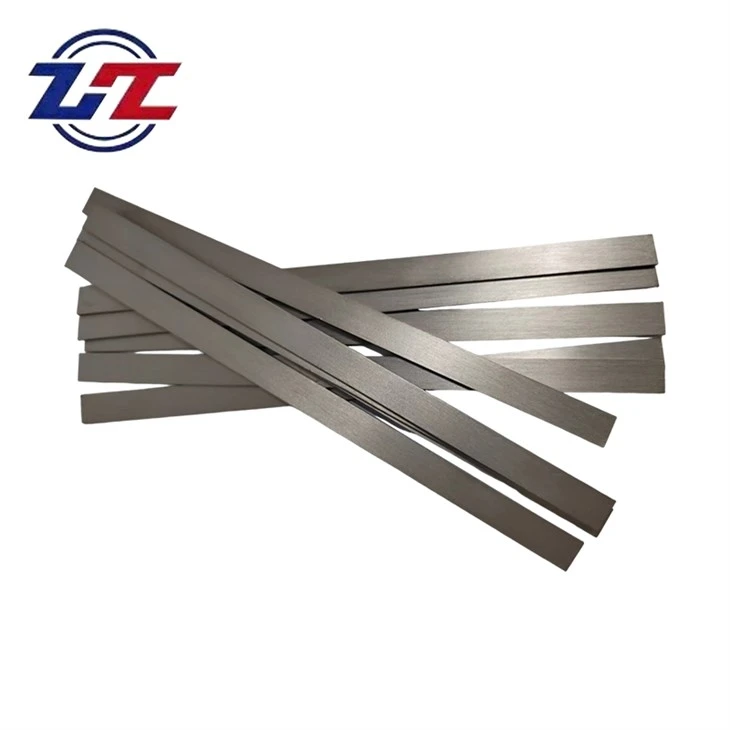
In addition to niobium wire, we also offer Niobium Tube and Niobium Processed Parts. Our niobium tubes can be used in various applications within the nuclear reactor, such as coolant channels. The niobium processed parts are precisely machined to meet the strict requirements of nuclear reactor components.
Conclusion
In conclusion, niobium wire has significant potential for use in nuclear reactors due to its high melting point, corrosion resistance, and low neutron absorption cross - section. It can be applied in control rods, structural components, instrumentation, and sensors. However, challenges such as high cost, fabrication difficulties, and radiation - induced embrittlement need to be addressed.
As a Niobium Wire supplier, we are constantly working on research and development to improve the quality and performance of our products. We believe that with further technological advancements, niobium wire will play an increasingly important role in the nuclear energy industry.
If you are interested in our niobium wire products or have any questions regarding their potential use in nuclear reactors, we welcome you to contact us for further discussions and procurement negotiations. You can explore our Niobium Wire products on our website to learn more about our offerings.
References
- "Niobium: Properties, Processing, and Applications" - A comprehensive book on niobium that provides detailed information on its physical and chemical properties, as well as its various applications.
- "Nuclear Reactor Engineering" - A textbook that covers the principles and design of nuclear reactors, including the requirements for materials used in different reactor components.
- Research papers on the performance of niobium in high - temperature and radiation environments published in scientific journals such as "Journal of Nuclear Materials" and "Nuclear Science and Engineering".

