

How is a Hafnium Rod made?
Leave a message

How is a Hafnium Rod made?
As a trusted supplier of Hafnium Rods, I often get asked about the intricate process behind creating these remarkable products. In this blog post, I'll take you through the step-by-step journey of how a Hafnium Rod is made, from the raw materials to the final, high-quality product that we supply to our valued customers.
Step 1: Sourcing the Raw Materials
The first step in making a Hafnium Rod is sourcing the raw materials. Hafnium is a rare, lustrous, silvery-gray transition metal that is found in zirconium minerals. To obtain pure hafnium, we start with zirconium ore, which typically contains about 1-5% hafnium. The zirconium ore is first mined from the earth and then processed to separate the hafnium from the zirconium.
This separation process is crucial because hafnium and zirconium have very similar chemical properties, making them difficult to separate. One common method used to separate hafnium from zirconium is the solvent extraction process. In this process, the zirconium ore is dissolved in an acid solution, and then a solvent is added to selectively extract the hafnium from the solution. The extracted hafnium is then further purified to remove any remaining impurities.
Once the hafnium has been separated and purified, it is typically in the form of hafnium chloride or hafnium oxide. These compounds are then reduced to pure hafnium metal using a variety of methods, such as the Kroll process or the van Arkel-de Boer process.
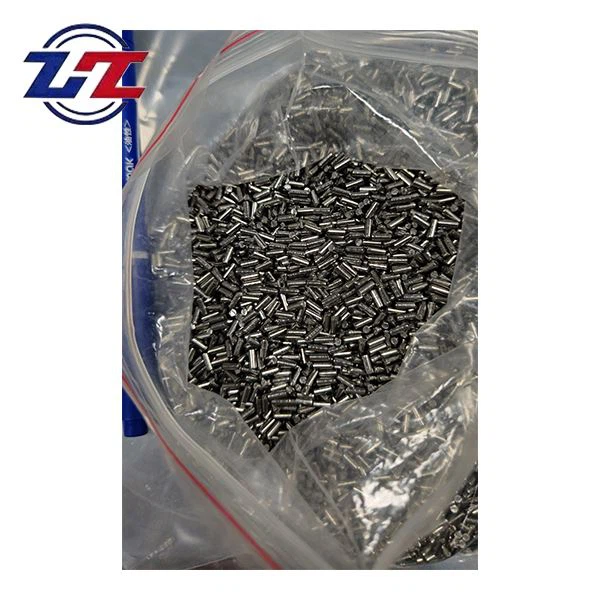
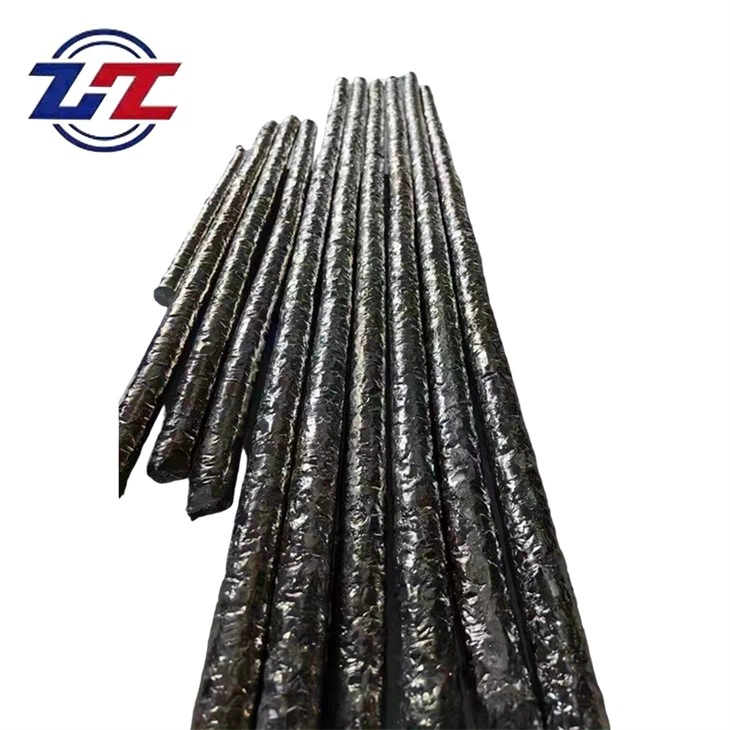
Step 2: Melting and Casting
After the pure hafnium metal has been obtained, the next step is to melt and cast it into the desired shape. Hafnium has a very high melting point of about 2,233°C (4,051°F), so specialized equipment is required to melt the metal.
One common method used to melt hafnium is the vacuum arc melting process. In this process, the hafnium metal is placed in a water-cooled copper crucible and then heated by an electric arc in a vacuum chamber. The high temperature of the electric arc melts the hafnium metal, and the molten metal is then poured into a mold to form the desired shape.
Another method used to melt hafnium is the electron beam melting process. In this process, the hafnium metal is placed in a water-cooled copper crucible and then heated by an electron beam in a vacuum chamber. The high energy of the electron beam melts the hafnium metal, and the molten metal is then poured into a mold to form the desired shape.
Once the hafnium metal has been melted and cast into the desired shape, it is typically cooled slowly to allow the metal to solidify and form a uniform structure. The cooling rate can have a significant impact on the properties of the final product, so it is important to control the cooling rate carefully.
Step 3: Forging and Rolling
After the hafnium metal has been cast into the desired shape, the next step is to forge and roll it to improve its mechanical properties. Forging is a process in which the metal is heated and then shaped by applying pressure using a hammer or a press. Rolling is a process in which the metal is passed through a series of rollers to reduce its thickness and increase its length.
Forging and rolling can help to improve the strength, ductility, and toughness of the hafnium metal by aligning the crystal grains in the metal and reducing the number of defects. These processes can also help to improve the surface finish of the hafnium rod, making it more suitable for use in a variety of applications.
Step 4: Machining and Finishing
After the hafnium rod has been forged and rolled, the next step is to machine and finish it to the desired specifications. Machining is a process in which the metal is cut, drilled, or shaped using a variety of tools, such as lathes, mills, and drills. Finishing is a process in which the surface of the metal is polished, coated, or treated to improve its appearance and performance.
Machining and finishing can help to ensure that the hafnium rod meets the exact specifications of our customers. We use state-of-the-art machining equipment and techniques to ensure that the hafnium rod is machined to the highest precision and quality. We also offer a variety of finishing options, such as polishing, coating, and heat treatment, to meet the specific needs of our customers.
Step 5: Quality Control
Throughout the entire manufacturing process, we implement a rigorous quality control program to ensure that the hafnium rod meets the highest standards of quality and performance. Our quality control program includes a variety of tests and inspections, such as chemical analysis, mechanical testing, and non-destructive testing.
Chemical analysis is used to determine the chemical composition of the hafnium rod and to ensure that it meets the specified purity requirements. Mechanical testing is used to determine the mechanical properties of the hafnium rod, such as its strength, ductility, and toughness. Non-destructive testing is used to detect any defects or flaws in the hafnium rod without damaging the rod.
We also use advanced quality control equipment and techniques, such as X-ray diffraction, scanning electron microscopy, and energy-dispersive X-ray spectroscopy, to ensure that the hafnium rod meets the highest standards of quality and performance.
Conclusion
In conclusion, the process of making a Hafnium Rod is a complex and intricate one that requires specialized equipment, expertise, and quality control. At our company, we are committed to providing our customers with the highest quality Hafnium Rods that meet their exact specifications and requirements.
If you are interested in purchasing Hafnium Rods or Hafnium Particles, please visit our website at Hafnium Rod to learn more about our products and services. We would be happy to discuss your specific needs and requirements and to provide you with a quote for our products.
References
- "Hafnium." Wikipedia, Wikimedia Foundation, 22 Aug. 2023, en.wikipedia.org/wiki/Hafnium.
- "Hafnium: Properties, Applications, and Production." ScienceDirect, Elsevier, 2023, www.sciencedirect.com/topics/chemistry/hafnium.
- "Hafnium Processing." Encyclopedia Britannica, Encyclopedia Britannica, Inc., 2023, www.britannica.com/technology/hafnium-processing.

