

What are the standards for the packaging of pure hafnium?
Leave a message

As a seasoned supplier of pure hafnium, I understand the critical importance of proper packaging in maintaining the integrity and quality of this valuable material. Pure hafnium, known for its exceptional properties such as high melting point, corrosion resistance, and neutron absorption capabilities, is widely used in various high - tech industries, including aerospace, nuclear energy, and electronics. In this blog, I will delve into the standards for the packaging of pure hafnium, drawing on my years of experience in the field.
1. Protection Against Physical Damage
One of the primary functions of packaging is to protect pure hafnium from physical damage during transportation and storage. Pure hafnium can be supplied in different forms, such as Hafnium Rod and Hafnium Particles.
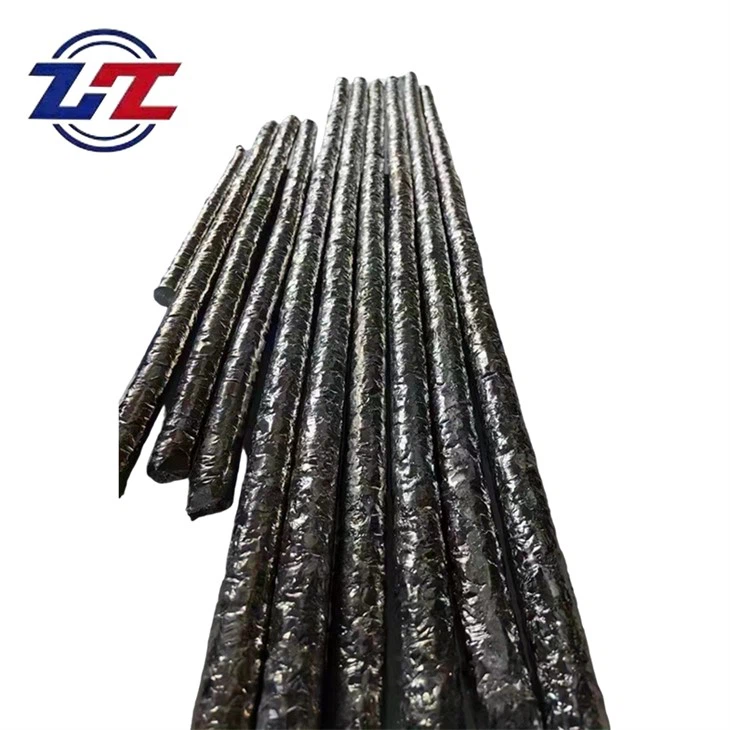
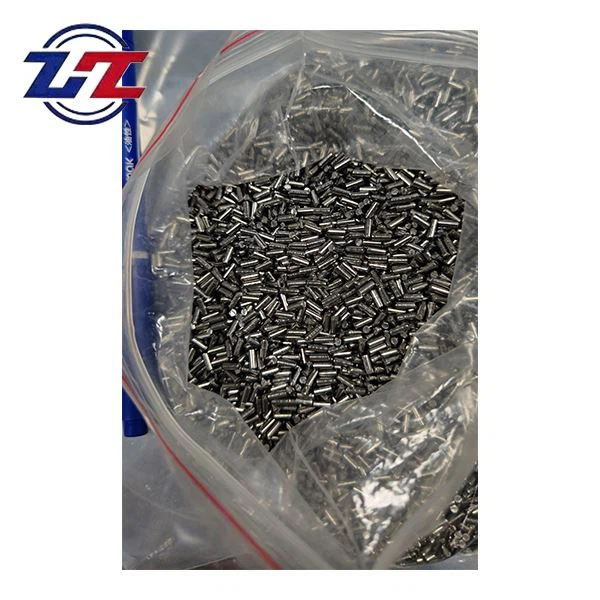
For hafnium rods, they are often long and relatively brittle. To prevent bending, breaking, or scratching, we typically use custom - made wooden or plastic crates. The interior of these crates is lined with soft, shock - absorbing materials like foam or rubber. The rods are carefully placed in individual compartments or holders within the crate to ensure they do not come into contact with each other, reducing the risk of damage.
In the case of hafnium particles, they are more prone to spillage and contamination. We use sealed plastic containers or metal canisters with air - tight lids. These containers are then placed inside larger, padded boxes to absorb any shocks that may occur during handling and shipping. The particle size also matters; finer particles may require more secure and air - tight packaging to prevent leakage.
2. Protection Against Chemical Contamination
Pure hafnium is highly reactive with certain elements and compounds, especially at high temperatures. Therefore, the packaging must protect it from chemical contamination.
All packaging materials used for pure hafnium should be chemically inert. For example, the plastic containers for hafnium particles are made from high - density polyethylene (HDPE), which has excellent chemical resistance. The metal canisters are often made of stainless steel, which is resistant to oxidation and corrosion.
In addition, the packaging should be designed to prevent moisture ingress. Moisture can cause hafnium to oxidize over time, affecting its purity and performance. We use desiccants inside the packaging to absorb any moisture that may enter. For long - term storage, we may also use vacuum - sealed packaging to remove oxygen and moisture from the environment around the hafnium.
3. Labeling and Identification
Proper labeling is essential for the packaging of pure hafnium. Each package should clearly indicate the type of hafnium (e.g., rod or particles), its purity level, weight, and batch number. This information is crucial for traceability and quality control.
The labels should also include safety warnings. Pure hafnium is a reactive metal and may pose certain hazards if not handled properly. Warnings about its reactivity, potential fire hazards, and proper handling procedures should be clearly printed on the packaging.
In addition, shipping labels are required to comply with international and domestic regulations. They should include information such as the origin, destination, and any special handling instructions for the package.
4. Compliance with International and Industry Standards
The packaging of pure hafnium must comply with various international and industry standards. For example, in the transportation of hazardous materials (although hafnium is not classified as highly hazardous in most cases), it must adhere to the regulations of the International Air Transport Association (IATA) and the International Maritime Organization (IMO) if it is being shipped by air or sea respectively.
These standards cover aspects such as packaging materials, packaging design, and labeling requirements. In the nuclear industry, where hafnium is used in reactor control rods, the packaging must also meet the strict quality and safety standards set by nuclear regulatory authorities.
5. Sustainability Considerations
In today's world, sustainability is an important aspect of packaging. We are committed to using environmentally friendly packaging materials whenever possible. For example, we are exploring the use of biodegradable foam and recycled cardboard for our packaging.
At the same time, we aim to minimize the amount of packaging material used without compromising the protection of the pure hafnium. By optimizing the packaging design, we can reduce waste while still ensuring the safe delivery of our products.
6. Testing and Quality Assurance
Before any new packaging design or material is used for pure hafnium, it undergoes rigorous testing. We conduct drop tests, vibration tests, and temperature - humidity tests to ensure that the packaging can withstand the normal stresses of transportation and storage.
We also perform quality control checks on the packaging materials themselves. For example, we test the chemical composition of the plastic containers and metal canisters to ensure they are chemically inert. These tests help us to identify any potential issues with the packaging and make necessary improvements.
7. Customized Packaging Solutions
We understand that different customers may have different requirements for the packaging of pure hafnium. Some customers may need special - sized packaging for their specific applications, while others may require additional protection for long - distance or overseas shipping.
We offer customized packaging solutions to meet these diverse needs. Our team of experts works closely with customers to understand their requirements and design packaging that meets their specific needs while still adhering to the relevant standards.
Conclusion
The packaging of pure hafnium is a complex process that requires careful consideration of various factors, including physical protection, chemical protection, labeling, compliance with standards, sustainability, and quality assurance. As a supplier, we are committed to providing high - quality packaging that ensures the safe and reliable delivery of our pure hafnium products.
If you are interested in purchasing pure hafnium for your project, we would be delighted to discuss your requirements with you. Our team of experts can provide you with detailed information about our products and packaging solutions. Contact us to start a conversation about your procurement needs.
References
- International Air Transport Association (IATA). Dangerous Goods Regulations.
- International Maritime Organization (IMO). International Maritime Dangerous Goods (IMDG) Code.
- Nuclear Regulatory Commission (NRC) regulations regarding the packaging of nuclear - related materials.

