

What are the storage requirements for pure niobium?
Leave a message

Pure niobium, a rare and valuable metal, is renowned for its exceptional properties, including high melting point, corrosion resistance, and superconductivity. As a leading supplier of pure niobium, we understand the importance of proper storage to maintain its quality and integrity. In this blog post, we will explore the storage requirements for pure niobium and provide insights into best practices to ensure its long-term stability.
Understanding the Properties of Pure Niobium
Before delving into the storage requirements, it's essential to understand the properties of pure niobium. Niobium is a soft, ductile, and grayish metal with a high melting point of 2,468°C (4,474°F). It is highly resistant to corrosion, making it suitable for various applications in industries such as aerospace, electronics, and chemical processing. Additionally, niobium exhibits superconductivity at low temperatures, which makes it valuable for use in superconducting magnets and other high-tech applications.
Factors Affecting the Storage of Pure Niobium
Several factors can affect the storage of pure niobium, including temperature, humidity, oxygen, and contaminants. Understanding these factors is crucial for implementing effective storage solutions.
Temperature
Niobium has a relatively high melting point, but it can still be affected by extreme temperatures. High temperatures can cause niobium to oxidize, which can degrade its properties and reduce its value. Therefore, it is recommended to store pure niobium in a cool, dry place away from direct sunlight and heat sources. A temperature range of 20°C to 25°C (68°F to 77°F) is ideal for long-term storage.
Humidity
Humidity can also have a significant impact on the storage of pure niobium. High humidity levels can cause niobium to corrode, especially in the presence of oxygen and other contaminants. To prevent corrosion, it is essential to store niobium in a low-humidity environment. A relative humidity level of less than 30% is recommended for optimal storage conditions.
Oxygen
Oxygen is a major contributor to the oxidation of niobium. When niobium is exposed to oxygen, it forms a thin oxide layer on its surface, which can affect its properties and performance. To minimize oxidation, it is recommended to store niobium in an oxygen-free environment, such as a sealed container filled with an inert gas like argon or nitrogen.
Contaminants
Contaminants, such as dust, dirt, and chemicals, can also affect the quality of pure niobium. These contaminants can cause surface defects, corrosion, and other issues that can reduce the value of the metal. Therefore, it is important to store niobium in a clean, dust-free environment and to handle it with clean gloves and tools to prevent contamination.
Storage Solutions for Pure Niobium
Based on the factors discussed above, there are several storage solutions that can be used to ensure the long-term stability of pure niobium.
Sealed Containers
Sealed containers are an effective way to store pure niobium. These containers can be made of materials such as plastic, glass, or metal and should be airtight to prevent the entry of oxygen, moisture, and contaminants. When using sealed containers, it is recommended to fill them with an inert gas like argon or nitrogen to further protect the niobium from oxidation.
Desiccants
Desiccants are substances that absorb moisture from the air. They can be used in conjunction with sealed containers to maintain a low-humidity environment. Common desiccants include silica gel, activated charcoal, and calcium chloride. When using desiccants, it is important to replace them regularly to ensure their effectiveness.
Storage Cabinets
Storage cabinets can be used to store pure niobium in a controlled environment. These cabinets should be made of materials that are resistant to corrosion and should be equipped with temperature and humidity controls. Additionally, storage cabinets should be located in a clean, dry area away from direct sunlight and heat sources.
Vacuum Packaging
Vacuum packaging is another effective way to store pure niobium. This method involves removing the air from a sealed container using a vacuum pump and then sealing the container to prevent the entry of oxygen and moisture. Vacuum packaging can significantly extend the shelf life of niobium by preventing oxidation and corrosion.
Best Practices for Handling Pure Niobium
In addition to proper storage, it is also important to follow best practices when handling pure niobium to prevent damage and contamination.
Use Clean Gloves and Tools
When handling pure niobium, it is important to use clean gloves and tools to prevent contamination. Gloves should be made of materials that are resistant to chemicals and should be changed regularly to prevent the transfer of contaminants. Tools should also be cleaned and maintained regularly to ensure their effectiveness.
Avoid Scratching and Abrasion
Niobium is a relatively soft metal, and it can be easily scratched and abraded. Therefore, it is important to handle niobium with care and to avoid using sharp or abrasive tools. When storing niobium, it is also recommended to separate it from other metals to prevent scratching and abrasion.
Label and Identify Niobium
To ensure proper identification and tracking, it is important to label and identify pure niobium. Labels should include information such as the grade, size, and quantity of the niobium, as well as the date of receipt and any other relevant information. This information can be used to track the history of the niobium and to ensure its quality and integrity.
Conclusion
Proper storage is essential for maintaining the quality and integrity of pure niobium. By understanding the factors that affect the storage of niobium and implementing effective storage solutions, you can ensure that your niobium remains in optimal condition for long periods of time. At our company, we are committed to providing high-quality pure niobium products and ensuring that they are stored and handled properly. If you have any questions or need further information about the storage requirements for pure niobium, please do not hesitate to contact us. We would be happy to assist you with your procurement needs.
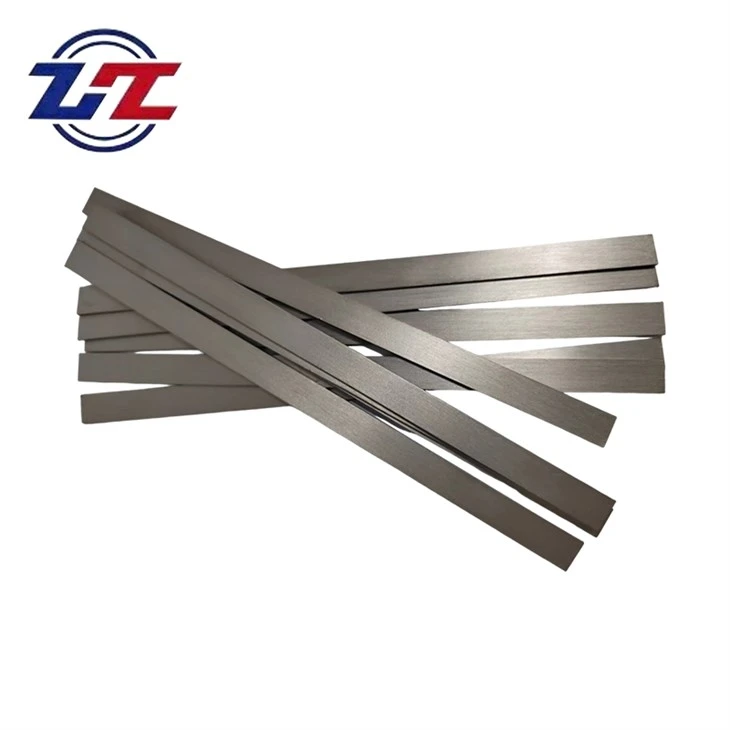
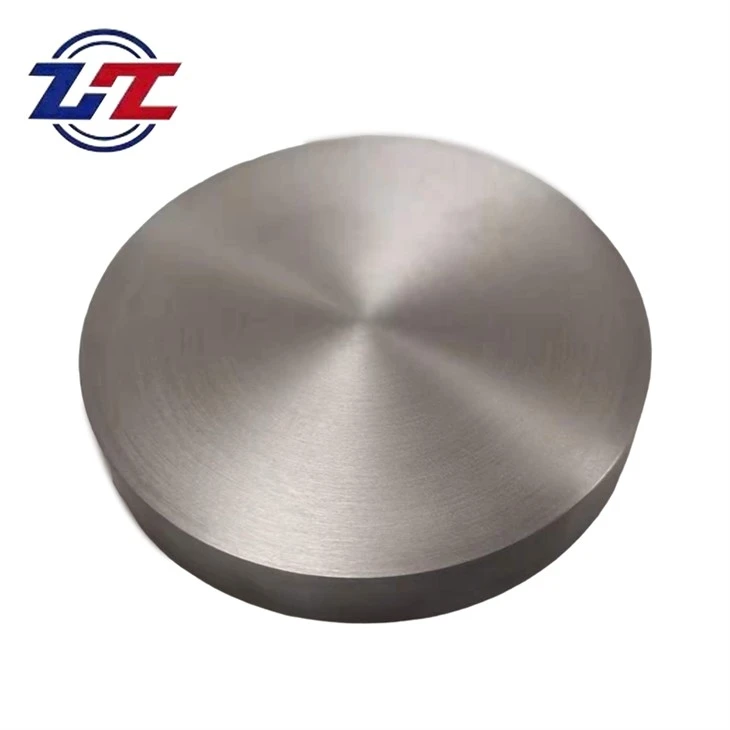
As a leading supplier of pure niobium, we offer a wide range of Niobium Processed Parts, Niobium Foil, and Niobium Plate. Our products are manufactured to the highest standards and are available in various sizes and specifications to meet your specific requirements. If you are interested in purchasing pure niobium products, please contact us to discuss your procurement needs. We look forward to working with you.
References
- "Niobium: Properties, Applications, and Production." USGS Mineral Commodity Summaries, 2023.
- "Handbook of Refractory Metals: Properties, Processing, and Applications." Edited by John L. Smialek, 2019.
- "Corrosion of Metals in Industrial Environments." By Robert W. Revie, 2022.

