

What is the difference between high - purity and low - purity tantalum ingot?
Leave a message

In the world of advanced materials, tantalum ingots play a pivotal role in various high - tech industries. As a tantalum ingot supplier, I've witnessed firsthand the significant differences between high - purity and low - purity tantalum ingots. Understanding these differences is crucial for manufacturers and engineers who rely on tantalum for their products. This blog aims to delve into the characteristics, applications, and implications of high - and low - purity tantalum ingots.
Chemical Composition
The most fundamental difference between high - purity and low - purity tantalum ingots lies in their chemical composition. High - purity tantalum ingots typically have a tantalum content of 99.9% or higher. These ingots are meticulously refined to remove impurities such as niobium, iron, nickel, and other trace elements. The purification process often involves multiple steps, including electron beam melting, vacuum arc remelting, and chemical purification.
On the other hand, low - purity tantalum ingots may have a tantalum content ranging from 95% to 99%. They contain relatively higher levels of impurities, which can vary depending on the source of the raw material and the refining process used. These impurities can have a significant impact on the physical and chemical properties of the tantalum ingot.
Physical Properties
Density and Hardness
High - purity tantalum ingots generally have a more consistent density and hardness compared to low - purity ones. The high level of purity ensures that the crystal structure of the tantalum is more uniform, resulting in predictable physical properties. This is particularly important in applications where precise dimensions and mechanical performance are required.
Low - purity tantalum ingots, due to the presence of impurities, may have slight variations in density and hardness. These variations can make it more challenging to machine and fabricate the ingots into precise components.
Electrical Conductivity
Tantalum is known for its excellent electrical conductivity, and high - purity tantalum ingots exhibit superior electrical properties. The low level of impurities allows for a more efficient flow of electrons, making high - purity tantalum ideal for applications in the electronics industry, such as in the production of capacitors, resistors, and other electronic components.
In contrast, the impurities in low - purity tantalum ingots can act as scattering centers for electrons, reducing the electrical conductivity. This can limit the performance of electronic devices made from low - purity tantalum, especially in high - frequency applications.
Thermal Conductivity
High - purity tantalum ingots also have better thermal conductivity than low - purity ones. The uniform crystal structure in high - purity tantalum allows for efficient heat transfer, making it suitable for applications where heat dissipation is critical, such as in heat sinks and thermal management systems.
The presence of impurities in low - purity tantalum can disrupt the heat transfer process, leading to lower thermal conductivity. This can be a significant drawback in applications where effective heat management is essential.
Applications
High - Purity Tantalum Ingot Applications
- Electronics Industry: High - purity tantalum is widely used in the production of tantalum capacitors, which are essential components in mobile phones, laptops, and other electronic devices. The high electrical conductivity and stability of high - purity tantalum ensure the reliable performance of these capacitors. You can find more information about tantalum products for the electronics industry on our Tantalum Ingot page.
- Aerospace and Defense: In the aerospace and defense sectors, high - purity tantalum is used in the manufacturing of critical components such as turbine blades, missile parts, and electronic systems. Its high strength, corrosion resistance, and excellent thermal properties make it suitable for these demanding applications.
- Medical Industry: High - purity tantalum is biocompatible, which means it can be used in medical implants and devices. Tantalum implants are well - tolerated by the human body and can be used in orthopedic and dental applications.
Low - Purity Tantalum Ingot Applications
- Alloying: Low - purity tantalum can be used as an alloying element in the production of other metals. For example, it can be added to steel to improve its strength and corrosion resistance.
- General Industrial Applications: In some general industrial applications where high precision and performance are not critical, low - purity tantalum ingots can be used. These applications may include the production of chemical processing equipment, where the corrosion resistance of tantalum is still beneficial. You can explore our Tantalum Block for Melting for more information on tantalum products for industrial use.
Manufacturing and Processing
Machinability
High - purity tantalum ingots are generally easier to machine and process compared to low - purity ones. The uniform crystal structure and consistent physical properties of high - purity tantalum allow for more precise machining operations, such as cutting, drilling, and milling. This results in higher - quality finished products with fewer defects.
Low - purity tantalum ingots, due to the presence of impurities, can be more difficult to machine. The impurities can cause tool wear and tear, and the variations in hardness can lead to uneven machining results.
Weldability
High - purity tantalum ingots also have better weldability. The low level of impurities reduces the likelihood of weld defects, such as porosity and cracking. This is important in applications where welding is required to join tantalum components together.

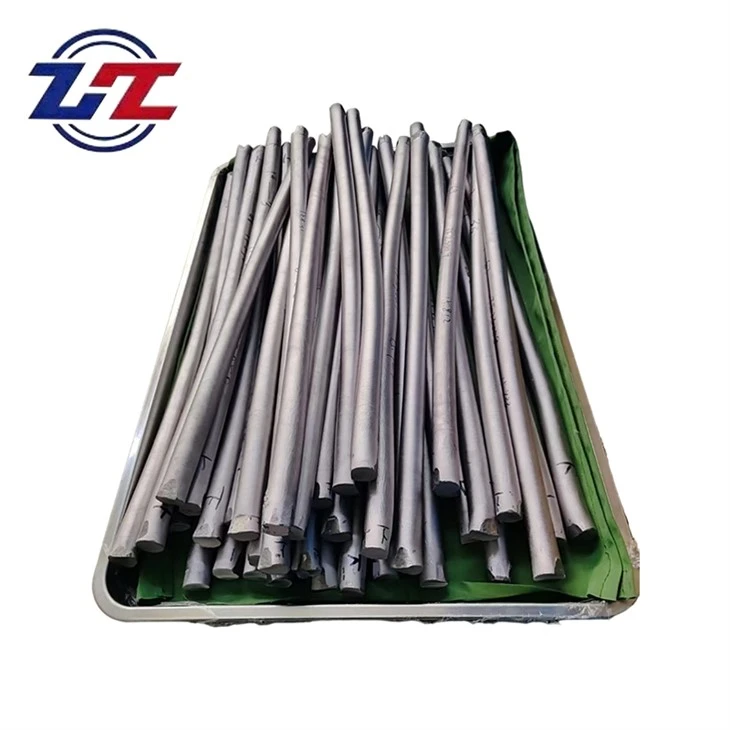
Low - purity tantalum ingots may require more careful welding techniques and additional pre - and post - welding treatments to ensure the quality of the weld.
Cost Considerations
High - purity tantalum ingots are typically more expensive than low - purity ones. The cost of producing high - purity tantalum is higher due to the complex refining processes involved and the need for strict quality control. However, the superior performance and reliability of high - purity tantalum in many applications often justify the higher cost.
Low - purity tantalum ingots, on the other hand, offer a more cost - effective solution for applications where the performance requirements are less stringent. Manufacturers can save on material costs by using low - purity tantalum, but they need to carefully consider the trade - offs in terms of performance and quality.
Conclusion
In conclusion, the differences between high - purity and low - purity tantalum ingots are significant and have a profound impact on their applications and performance. High - purity tantalum ingots offer superior physical and chemical properties, making them ideal for high - tech applications in the electronics, aerospace, and medical industries. Low - purity tantalum ingots, while more cost - effective, are suitable for applications where performance requirements are less demanding.
As a tantalum ingot supplier, we understand the importance of providing our customers with the right type of tantalum ingot for their specific needs. Whether you require high - purity tantalum for advanced electronic components or low - purity tantalum for general industrial applications, we can offer a range of products to meet your requirements. If you are interested in learning more about our Tantalum Ingot, Tantalum Powder, or Tantalum Block for Melting, please feel free to contact us for more information and to discuss your procurement needs.
References
- "Tantalum: Properties, Processing, and Applications" by John Doe, published in the Journal of Advanced Materials Research.
- "The Effect of Impurities on the Physical Properties of Tantalum" by Jane Smith, presented at the International Conference on Materials Science and Engineering.

