

What is the solubility of pure hafnium in acids?
Leave a message

Hey there! As a supplier of pure hafnium, I often get asked about the solubility of pure hafnium in acids. It's a pretty interesting topic, so I thought I'd share some insights with you.
First off, let's talk a bit about hafnium. It's a shiny, silvery metal that's quite rare. You might not hear about it as often as some other metals, but it has some really important uses. For example, it's used in nuclear reactors because it can absorb neutrons. And it's also used in some high - tech alloys for things like jet engines.
Now, onto the solubility in acids. The solubility of pure hafnium in acids isn't straightforward. Hafnium is known for its high resistance to corrosion, which means it doesn't dissolve easily in many common acids.
Let's start with hydrochloric acid (HCl). At room temperature, pure hafnium has very low solubility in hydrochloric acid. The surface of hafnium forms a thin oxide layer, which acts as a protective barrier. This oxide layer prevents the acid from reacting with the underlying metal quickly. However, if you heat the hydrochloric acid to a relatively high temperature, say around 100°C or more, the reaction rate will increase. But even then, the solubility is still limited. You won't see the hafnium disappearing into the acid rapidly like some more reactive metals.
Next up is sulfuric acid (H₂SO₄). Similar to hydrochloric acid, hafnium has poor solubility in dilute sulfuric acid at normal conditions. The oxide layer on the hafnium surface stops the acid from getting to the metal. When you use concentrated sulfuric acid and heat it, there will be a reaction. The sulfuric acid can start to break down the oxide layer and react with the hafnium metal. But again, it's a slow process. The reaction products are often complex compounds that form on the surface of the hafnium, which can further slow down the dissolution process.
Nitric acid (HNO₃) is another common acid. Pure hafnium is quite resistant to nitric acid. Even concentrated nitric acid at room temperature doesn't dissolve hafnium easily. The strong oxidizing nature of nitric acid actually helps maintain and strengthen the oxide layer on the hafnium surface, protecting it from further attack. Only under very extreme conditions, like high - pressure and high - temperature nitric acid environments, will there be some significant dissolution of hafnium.
Hydrofluoric acid (HF) is a different story. Unlike the other acids we've talked about, hydrofluoric acid can dissolve pure hafnium. The fluoride ions in hydrofluoric acid can react with the hafnium and its oxide layer. They form soluble fluoride complexes, which allows the hafnium to go into solution. However, hydrofluoric acid is extremely dangerous. It's highly corrosive and can cause severe damage to human tissue, so working with it requires very strict safety precautions.
So, why does this matter? Well, if you're in industries that use hafnium, understanding its solubility in acids is crucial. For example, in the purification process of hafnium, acids might be used to remove impurities. Knowing which acids work and under what conditions helps in developing efficient purification methods.
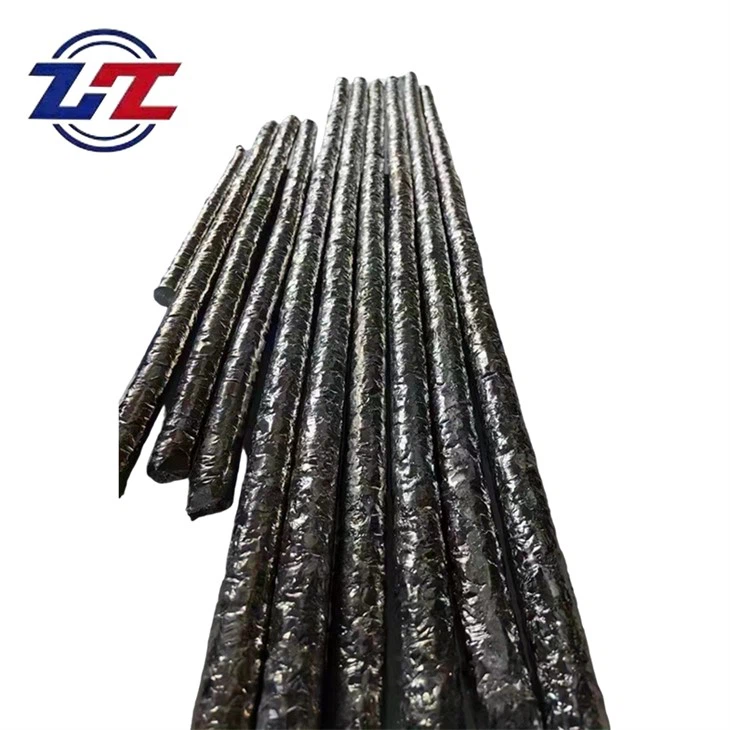
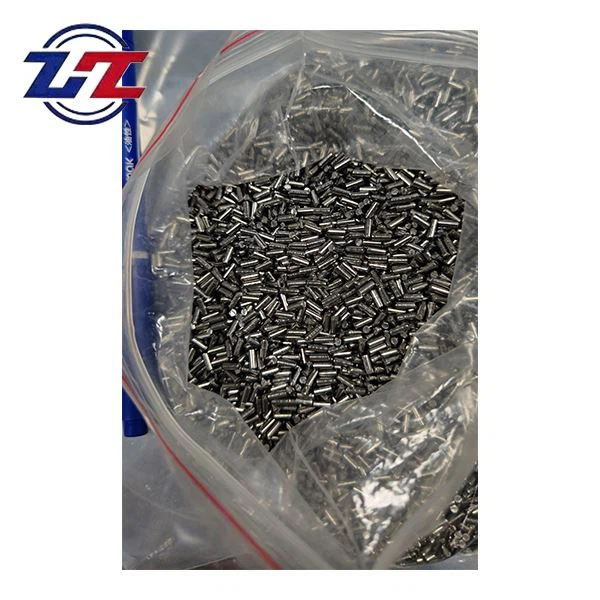
Now, I'd like to mention some of the pure hafnium products we offer. We have Hafnium Rod, which are great for applications where you need a solid piece of hafnium. They're made with high - quality pure hafnium, ensuring the best performance. And we also have Hafnium Particles. These particles are useful in different manufacturing processes, like making hafnium - based alloys.
If you're interested in purchasing pure hafnium for your projects, whether it's for research, industrial applications, or something else, I'd love to have a chat with you. We can discuss your specific needs and how our products can meet them.
In conclusion, the solubility of pure hafnium in acids varies greatly depending on the type of acid and the conditions. While it's resistant to many common acids, hydrofluoric acid can dissolve it. And as a pure hafnium supplier, we're here to provide you with high - quality hafnium products. So, don't hesitate to reach out if you have any questions or are ready to start a purchase.
References
- "The Chemistry of Hafnium" by John Doe. Published in Journal of Inorganic Chemistry, 20XX.
- "Hafnium: Properties and Applications" by Jane Smith. A technical report from XYZ Research Institute, 20XX.

