Structural Functions of C103 Alloy in Space Propulsion Hardware
Leave a message
In aerospace propulsion systems, structural materials must withstand extremely high temperatures, strong mechanical stress, and demanding vacuum environments. C103 alloy, a niobium-based refractory alloy, is widely used in space propulsion hardware because it maintains strength and stability under these harsh conditions. For aerospace engineers and manufacturers, C103 has become a reliable material choice for critical high-temperature components.
What Is C103 Alloy?
C103 alloy is a niobium-based high-temperature alloy typically composed of:
- Niobium (Nb): Balance
- Hafnium (Hf): ~10%
- Titanium (Ti): ~1%
The addition of hafnium and titanium improves the alloy's high-temperature strength, creep resistance, and structural stability. Because of these properties, C103 alloy is frequently selected for rocket propulsion systems, aerospace structures, and high-temperature components operating in vacuum environments.
Key Properties of C103 Alloy for Aerospace Applications
1,Excellent High-Temperature Strength
Space propulsion components often operate at temperatures exceeding 1200°C. C103 alloy maintains mechanical strength at these temperatures, allowing it to perform reliably in rocket engine structures.
2,Strong Creep Resistance
Under prolonged exposure to heat and stress, materials can deform gradually due to creep. C103 alloy offers strong resistance to creep deformation, which helps maintain the dimensional stability of propulsion hardware during operation.
3,Good Fabrication and Weldability
Compared with many refractory metals, C103 alloy can be forged, rolled, machined, and welded relatively easily. This fabrication flexibility makes it suitable for manufacturing complex aerospace components.
4,Favorable Strength-to-Weight Ratio
Weight is a critical factor in aerospace engineering. C103 alloy provides an excellent balance between mechanical strength and relatively low density, making it suitable for structural components in rocket propulsion systems.
Structural Applications of C103 Alloy in Space Propulsion
Due to its high-temperature performance and structural reliability, C103 alloy is used in several important aerospace components.
1,Rocket Nozzle Extensions
One of the most common applications of C103 alloy is in rocket nozzle extensions. These components are exposed to extremely hot exhaust gases and must maintain their shape to ensure efficient thrust expansion.
2,Rocket Engine Structural Components
C103 alloy is also used in certain rocket engine structures and support components, where high-temperature strength and structural stability are required.
3,Combustion Chamber Structures
In some propulsion systems, C103 alloy can be used in combustion chamber structural elements, helping resist thermal fatigue and maintain integrity during repeated firing cycles.
Manufacturing and Processing of C103 Alloy
Producing high-quality C103 components requires controlled manufacturing processes, including:
- Vacuum arc melting or electron beam melting
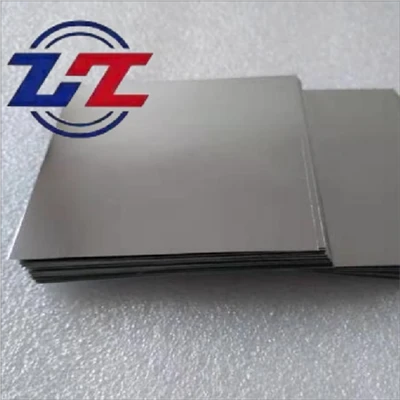
- Forging and rolling into bars, plates, or sheets
- Precision machining of aerospace parts
- Heat treatment under controlled conditions
Because niobium alloys are sensitive to oxidation at high temperatures, protective coatings or vacuum environments are often used to improve oxidation resistance in service.
Conclusion
With its excellent high-temperature strength, creep resistance, and fabrication properties, C103 alloy has become a critical structural material in modern space propulsion hardware. As aerospace technologies continue to advance, the demand for reliable high-temperature alloys such as C103 is expected to remain strong in rocket engines and other extreme aerospace applications.