What does the record high copper price mean for the tungsten, tantalum, niobium, and zirconium industries?
Leave a message
Copper prices break record, global metal industry chain is entering a period of restructuring
By the end of 2025, global copper prices will hit a historic high on the London Metal Exchange, followed by a rapid rise in domestic copper prices, setting new records in multiple trading markets. This phenomenon is not simply cyclical fluctuations, but the result of the joint efforts of global energy structure, AI computing infrastructure construction, and geopolitical supply chain restructuring.
As a representative of basic industrial metals, the continuous rise in copper prices is affecting a wider range of metal resource markets, and high-end rare metals such as tungsten, tantalum, niobium, and zirconium are also facing new market environments and potential opportunities as a result.
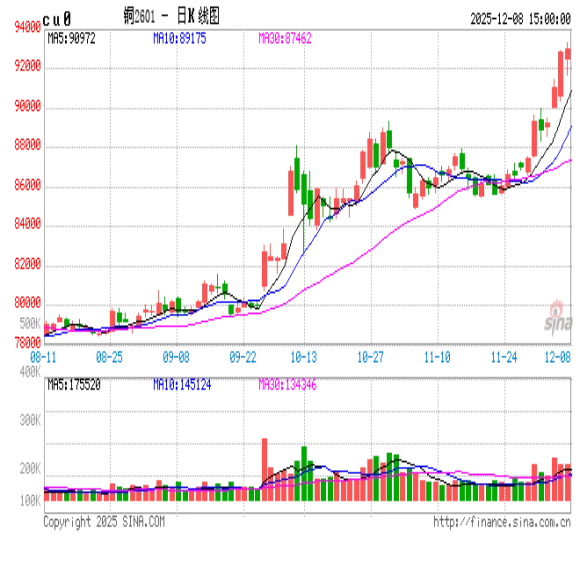
The core driving force behind the rise in copper prices: industry consensus is forming
From a global market perspective, the following factors constitute the main reasons for the strong rise in copper prices this round:
1. AI electricity demand drives up power and conductor material consumption
The training of large-scale AI models and the expansion of data centers have brought about a huge demand for electricity, while power grid expansion, transformers, cooling systems, etc. are highly dependent on copper materials.
2. Accelerating the transition to new energy
The use of copper in new energy vehicles, photovoltaic modules, and energy storage equipment continues to increase, with a pure electric vehicle consuming 3-4 times more copper than a gasoline vehicle.
3. Global inventory structure is tight
Many smelters in various regions are facing a shortage of mineral supply, and international inventories continue to decline, resulting in a long-term tight copper situation.
4. Geopolitical factors drive supply chain transfer
The acceleration of strategic resource reserves by various countries has led to a more significant supply-demand imbalance in the spot market.
These factors collectively drive copper prices into a high volatility or even a medium to long-term upward channel.
The four major impacts of rising copper prices on the tungsten, tantalum, niobium, and zirconium industries
Copper prices, as a key reference indicator for manufacturing and energy systems, have a structural, chain like, and cross cyclical impact on rare metals.
1. Cost transmission effect: The cost of smelting and processing is generally increasing
Although tungsten, tantalum, niobium, zirconium, and copper have completely different uses, the metal processing industry generally shares similar energy, transportation, and equipment infrastructure.
The rise in copper prices is often accompanied by:
- Rising electricity costs
- The cost of smelting equipment, cables, and accessories has increased
- Increase in logistics and transportation costs
- The overall inflation of metal materials has risen
This will indirectly increase the operating costs of the rare metal industry chain, putting pressure on some downstream processing enterprises.
2. Acceleration of substitution effect: More high-end equipment uses rare metals
As copper prices rise, some high-end sectors will tend to use rare metals with better performance to achieve:
- Higher corrosion resistance
- Stronger high-temperature resistance performance
- Longer lifespan and stability
- Thermal and electrical conductivity under extreme conditions
Typical applications include:
- Tungsten: High temperature electrode, radiation shielding, erosion resistant components
- Tantalum: Chemical anti-corrosion equipment, capacitors, vacuum devices
- Niobium: Superconducting material, aerospace alloy
- Zirconium: Nuclear grade structural material, corrosion-resistant pipe fittings
In high-end manufacturing scenarios, the substitution value of rare metals is actually more apparent.
3. Impact of capital flow: Resource based investments are beginning to diversify towards rare metals
High copper prices will attract funds into the metal resource sector, thereby driving:
- Increased investment in mineral projects
- Increased attention to rare metal prices
- Market speculation and inventory adjustment efforts have increased
This has increased the attention and bargaining power of tungsten, tantalum, niobium, and zirconium in the capital market.
4. Resonance in the new energy chain, stable and upward demand for rare metals
The expansion of demand in the fields of new energy, aerospace, and electronic power has already driven the growth of rare metals, and the rise in copper prices has further strengthened this trend.
For example:
- The demand for tungsten in new energy vehicle motors and hard alloy equipment is increasing
- The proportion of tantalum and niobium in capacitors and aviation alloys is increasing
- The usage of zirconium in nuclear energy and marine engineering is gradually increasing
These industries themselves are the main consumers of copper, and fluctuations in copper prices have spillover effects on their investment pace, indirectly driving demand for rare metals.
What structure will the rare metal market present in 2026?
Based on the changes in the global supply chain and energy structure, the rare metal industry may present three major trends in the future:
1. The demand for high-performance metals continues to grow
AI, Nuclear energy, aerospace, and clean energy will continue to expand the demand for high-purity materials such as tungsten, tantalum, niobium, and zirconium.
2. High quality and traceable supply chain are more valued
In the context of global resource scarcity, manufacturers with stable production capacity and technological capabilities will become key partners in the industry chain.
3. Price fluctuations and inventory management are more challenging
High copper prices will lead to structural inflation, and companies need more refined procurement and inventory strategies.
After copper prices entered a high era, the operational logic of the global metal industry chain is undergoing profound changes. The strategic value of key materials such as copper, tungsten, tantalum, niobium, and zirconium has been re evaluated, and the supply system, technological roadmap, and application trends of related industries are undergoing a new round of reshaping. For the field of rare metals, this is not only a challenge, but also a long-term and profound structural opportunity.
As the manufacturing industry moves towards high-end, green, and intelligent development, stable material supply, reliable quality management, and continuous technological investment will become key factors for enterprises in global competition. As a leading force in the field of rare metal manufacturing, Shaanxi Zhongheng Weichuang Metal Materials Co., Ltd. is also at the center of this industrial transformation. In the future, it will continue to support the development needs of the industry with technological innovation and material stability.
In the coming years, with the continuous expansion of application sectors such as new energy, nuclear energy, aerospace, electronic power, etc., the rare metal industry will usher in broader growth space, and enterprises that can provide high-purity materials and mature processing capabilities will play a more important role in the upgrading of the global industrial chain.