Niobium Strip
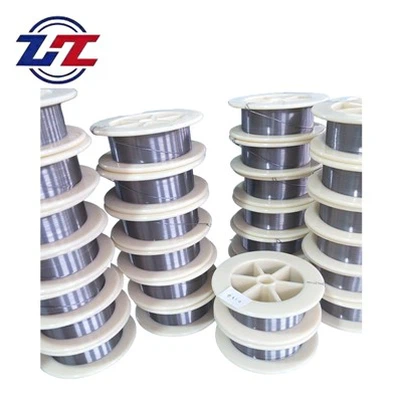
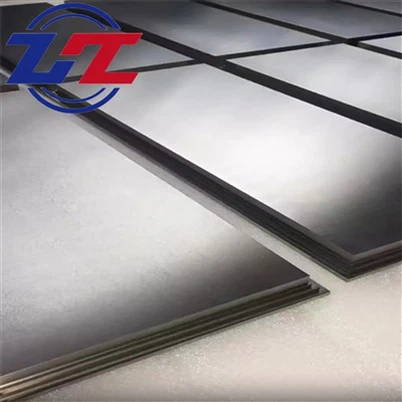
Niobium strip is a strip or rod material made of niobium metal, which has excellent physical and chemical properties of niobium and is widely used in special steels, high-temperature alloys, magnetic materials, niobium alloys and other fields.
Description
Niobium strip is a gray white, tough, and malleable refractory metal with high melting point (2468 ℃) and boiling point (4742 ℃). It has good thermal and electrical conductivity, as well as high resistance to deformation and corrosion. Niobium has stable chemical properties and forms a dense oxide film on its surface at room temperature, preventing further oxidation. It has good chemical stability to acids, bases, salts, and organic media, and is almost not corroded by these media. In addition, niobium can also absorb gases such as hydrogen, oxygen, and nitrogen to form corresponding solid solutions or compounds.


Niobium bars are manufactured based on pressed niobium powder through processes such as high-temperature sintering, rolling, and drawing. These process steps ensure that niobium bars have specific shapes, sizes, and physical properties. Niobium bars are often used in the production of special steels and high-temperature alloys due to their excellent physical and chemical properties. These materials can maintain good performance even in high temperatures and extreme environments, and are widely used in fields such as aerospace, energy, and chemical engineering. In addition, niobium bars can also be used to manufacture magnetic materials such as permanent magnets. These materials have a wide range of applications in fields such as electronics, communication, and healthcare. In addition, niobium can form alloys with other metal elements, which have higher strength, hardness, and wear resistance, making them suitable for manufacturing high-strength and highly corrosion-resistant components.
There are significant differences between niobium bars and melted niobium in various aspects, including manufacturing processes, physical properties, applications, and purity. Niobium bars have characteristics such as high strength, high elastic modulus, and good thermal axial stability. These characteristics enable niobium bars to maintain stable performance even under high stress and high temperature environments. Due to refining treatment, the purity of melted niobium is relatively high, usually reaching over 98%, and even over 99.9%. High purity melted niobium has better conductivity, thermal conductivity, and corrosion resistance. The purity of melted niobium is usually higher than that of niobium bars because melted niobium undergoes a more refined refining process. Due to differences in purity and physical properties, niobium bars and melted niobium also have differences in their application fields. Niobium bars are more focused on applications that require high strength, high elastic modulus, and thermal stability; Melting niobium is more suitable for fields that require higher purity, such as the manufacturing of electronic components.
Niobium strips have a wide range of applications in the field of medical devices, such as orthopedic implants, skull plate screws, etc. These products utilize the good biocompatibility and corrosion resistance of niobium strips. In the aerospace field, niobium bars are used to manufacture key components such as engine parts and heat-resistant parts due to their high strength and heat resistance. In the nuclear industry, niobium bars also have important applications, such as being used as structural materials for reactors and as cladding materials for nuclear fuel.
Melting niobium and niobium bars have a wide range of applications in their respective fields of expertise. Melting niobium plays an important role in the fields of high-temperature alloys, electronic components, and steel smelting, while niobium bars play a key role in medical devices, aerospace, and nuclear industries.
Hot Tags: niobium strip, China niobium strip manufacturers, suppliers, factory, blue niobium, niobium chromate, niobium nugget, niobium ore residues, niobium oxide tailing, niobium rich mineral
Send Inquiry
You Might Also Like