How can smelting ensure high purity and excellent performance?
Leave a message
Titanium nickel alloy has become a core material in high-end fields such as aerospace and medical implants due to its shape memory effect, superelasticity, and biocompatibility. Its performance is highly dependent on precise control of the melting process, and any introduction of impurities or component segregation can lead to a sudden drop in performance. From the perspective of the entire process operation, analyze the key technical points to ensure high purity and excellent performance of alloys.
Raw material control before melting is the first line of defense for purity assurance. Sponge titanium with a purity of ≥ 99.8% and electrolytic nickel plate with a purity of ≥ 99.9% must be selected, and harmful impurities such as iron, carbon, and oxygen must be removed through spectral analysis (with a single element content of ≤ 0.05%). The raw material pretreatment process cannot be ignored: titanium raw materials need to be dried in a vacuum environment at 400 ℃ for 4 hours to remove adsorbed hydrogen, while nickel plates need to be cleaned with anhydrous ethanol ultrasonic cleaning to eliminate surface oil stains and oxide films, avoiding the formation of oxide inclusions during melting. At the same time, the preparation of consumable electrodes requires the use of isostatic pressing technology, with a pressing density controlled above 4.2g/cm ³ to prevent incomplete gas escape due to electrode looseness during melting.
Titanium nickel alloy products

Titanium nickel alloy rod

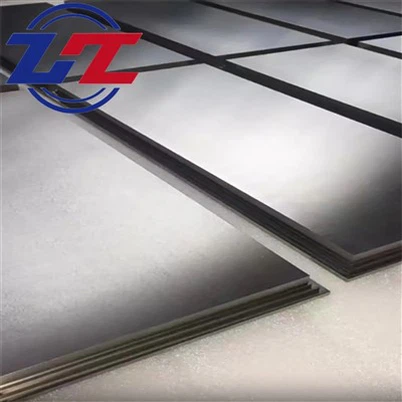
Titanium nickel alloy plate

Titanium nickel alloy wire

Titanium nickel alloy foil

Titanium nickel alloy particles

Titanium nickel alloy machined parts
Smelting equipment and environmental control are the core support. Vacuum consumable arc melting furnaces are commonly used in industry. Before melting, the furnace body needs to be vacuumed and filled with argon gas at least three times, and the final vacuum degree needs to reach ≤ 1 × 10 ⁻ ³ Pa to completely discharge active gases such as nitrogen oxides in the air. High purity argon gas with a purity of ≥ 99.999% is selected as the inert gas in the furnace, and it needs to undergo molecular sieve dehydration treatment (dew point ≤ -70 ℃) to avoid the introduction of hydrogen elements. During electrode assembly, it is necessary to ensure that the coaxiality deviation is ≤ 0.5mm to prevent local overburning caused by arc deviation during the melting process, resulting in uneven composition.
The parameter control of the smelting process directly determines the performance. During the arc initiation stage, a low-voltage slow rise current mode is adopted, gradually increasing from 500A to 2000-3000A, with a stable voltage of 10-15kV, to ensure smooth formation of the molten pool and reduce splashing losses. During the melting process, it is necessary to maintain the temperature of the molten pool at 1600-1700 ℃ and monitor it in real time through infrared temperature measurement to avoid titanium volatilization caused by high temperature (titanium boiling point 1668 ℃) or element segregation caused by low temperature. To achieve uniform composition, 3-4 flips of melting are required, with a 10 minute holding time after each melting to allow the alloy elements to fully diffuse and control the nickel content deviation within ± 0.2% - this is the key to ensuring shape memory effect (the phase transition temperature shifts by about 10 ℃ for every 0.1% deviation in nickel content).
Post melting treatment and quality inspection are the final checks. Alloy ingots need to be cooled in the furnace to below 200 ℃ before being removed from the furnace to avoid rapid cooling and the occurrence of martensitic transformation brittleness. Immediately after being baked, surface peeling treatment is carried out to remove the 1-2mm thick oxide layer and titanium deficient layer. Then, the surface impurity content is detected by X-ray fluorescence spectroscopy to ensure that oxygen is ≤ 0.15%, nitrogen is ≤ 0.05%, and hydrogen is ≤ 0.005%. The internal quality is tested using ultrasonic testing (UT) and must meet Class A standards, with no pores or inclusions with a diameter of ≥ 0.5mm.
The melting of titanium nickel alloy is a systematic engineering of "precise control of every step", from raw material purification to melting parameter optimization, and then to post-treatment testing, each link is directly related to purity and performance. Only by strictly following the operating logic of vacuum environment control, multi pass melting, and precise parameter regulation can reliable applications of alloys be achieved in high-end fields.