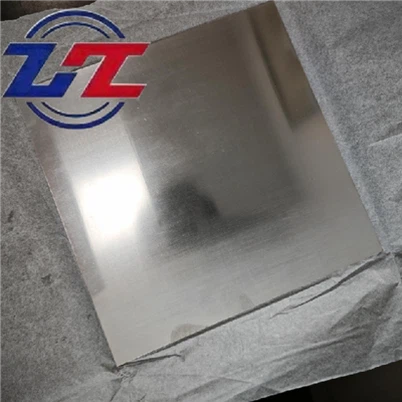
How Proper Storage Helps Preserve the Condition of Refractory Metal Materials
Leave a message
Why Material Storage Matters After Delivery
Receiving refractory metal materials is not necessarily the final step before production. In many industrial projects, purchased materials may remain in storage for days, weeks, or even longer before they are released for processing. During this period, their condition needs to be properly maintained.
Although materials such as tantalum, niobium, hafnium, tungsten, and their alloys are selected for demanding industrial applications, their storage requirements should not be overlooked. Packaging damage, unsuitable environmental conditions, surface contamination, or improper handling can create problems before the material even enters the manufacturing process.
For buyers and production teams, storage management is therefore part of maintaining material quality throughout the supply chain, rather than simply finding a place to keep purchased stock.
Environmental Conditions Should Match the Material Requirements
The storage environment is an important consideration when managing specialty metals. Temperature fluctuations, moisture, dust, and exposure to other contaminants may affect the condition of stored materials, depending on their composition, surface condition, and protective treatment.
Materials with different surface finishes or processing conditions may require different levels of protection. For example, a material supplied with a clean, finished surface may need more careful protection against handling marks and contamination than stock intended for further machining.
A suitable storage arrangement should therefore be based on the actual material specification and supplier recommendations. Buyers should avoid assuming that every refractory metal can be stored under identical conditions simply because these materials are generally associated with high-temperature applications.
Protecting Surfaces From Contamination and Physical Damage
Surface condition can be important when a material is intended for precision machining, further processing, or applications with specific cleanliness requirements. Dust, oil, moisture, and contact with unsuitable materials may introduce contamination that needs to be addressed before production.
Physical damage is another consideration. Scratches, dents, deformation, and contact marks may affect the usability of certain products, particularly thin sheets, foils, wires, and precision-finished components.
Appropriate packaging, protective separators, clean handling surfaces, and suitable storage arrangements can help reduce unnecessary contact and damage. The protection method should reflect the product form and intended application rather than relying on a single packaging approach for every material.
Keep Material Identification and Batch Information Intact
Proper storage involves more than protecting the physical material. Maintaining clear identification is equally important, especially when multiple grades, dimensions, or production batches are stored in the same facility.
Labels and accompanying records should remain associated with the correct material throughout storage and internal handling. Relevant information may include material grade, dimensions, batch identification, quantity, and applicable inspection documentation.
When materials are separated from their original packaging or transferred between storage areas, their identification should be maintained through an appropriate internal labeling and recording process. Otherwise, even material that remains physically undamaged may become difficult to verify or trace back to its original supply information.
Different Product Forms Require Different Storage Arrangements
The physical form of a material influences how it should be stored. Plates and sheets may require flat, adequately supported storage to reduce the risk of bending or surface damage. Rods and bars need stable supports to prevent rolling or unnecessary contact. Thin foils and wires may require suitable protective packaging to avoid creasing, tangling, or handling damage.
Tubes, crucibles, and other formed products may also need dedicated arrangements that protect their shape and finished surfaces.
These are general handling considerations rather than universal storage specifications. The appropriate method depends on product dimensions, material condition, packaging, and the requirements of the intended application.
Inspect Materials Before They Enter Production
Before stored materials are released for manufacturing, it is useful to verify their identification, packaging condition, and visible surface condition. The inspection should also confirm that the material corresponds to the relevant purchase requirements and supporting documentation.
If damage, unusual discoloration, moisture exposure, or other unexpected changes are observed, the material should be reviewed before further processing. Where necessary, the supplier or relevant technical personnel can help determine whether additional inspection or assessment is required.
This step is particularly useful when materials have been stored for an extended period or when their original packaging has been opened, replaced, or damaged.
Build Storage Requirements Into Material Management
For industrial buyers, storage should be considered as part of the overall material management process. Understanding the material's condition at delivery, maintaining appropriate environmental and physical protection, preserving identification, and checking the material before production all help reduce avoidable problems.
For tantalum, niobium, hafnium, tungsten, C103 niobium-hafnium alloy, and tantalum-tungsten alloys, the correct storage approach should be determined by the specific product form, surface condition, packaging, and intended use.
Proper storage does not replace material inspection or technical quality requirements. Instead, it helps preserve the condition in which the material was supplied and provides a more reliable starting point for subsequent manufacturing operations.