Vitamins of Modern Industry
Leave a message
In modern industrial systems, niobium, as a strategic rare metal, is not as well-known to the public as common materials, but its application is "indispensable", comparable to the importance of "vitamins" in the human body. The key role of niobium in aerospace, electronics industry, nuclear energy and other fields makes it an indispensable material in modern technology. This article will take you to understand the unique characteristics, application fields, and broad prospects of niobium in the future.
The History and Discovery of Niobium
The discovery of niobium dates back to the early 19th century. In 1801, British chemist Charles Hatchett first discovered this new element while studying a mineral in the Americas and named it "Columbine" to commemorate its origin in Colombia. However, due to limitations in analytical techniques at the time, this discovery did not receive widespread recognition.
Until 1844, German mineralogist Heinrich Rose re studied this mineral and discovered that it contained two new elements, one of which is what we call niobium today. In order to be opposite to another metal tantalum, Rozer named this new element "Niobium", named after Niobe, the daughter of Tantalus in Greek mythology.
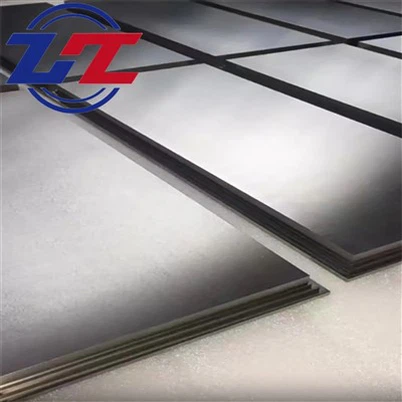
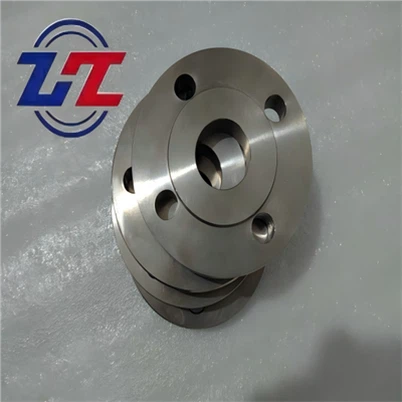
Partial display of niobium products.

High-purity niobium plate

High-purity niobium rod

High-purity niobium tube

High-purity niobium wire

High-purity niobium foil

High purity niobium particles
The unique physical and chemical properties of niobium
Niobium is highly favored in modern industry, mainly due to its outstanding physical and chemical properties as follows:
- High melting point (2468 ° C): Niobium's high melting point makes it excellent in high-temperature environments and an ideal material for high-temperature applications.
- Superconductivity: Niobium and its alloys (such as niobium titanium alloys) can achieve zero resistance conductivity near absolute zero degrees, and are widely used in superconducting magnets and particle accelerators.
- Corrosion resistance: Niobium is almost insoluble in most strong acids at room temperature and can even remain stable in aqua regia, demonstrating excellent corrosion resistance.
- Low heat neutron absorption cross section: The low neutron absorption characteristics of niobium make it an ideal choice for nuclear reactor materials, which can effectively reduce neutron losses.
These characteristics make niobium irreplaceable in multiple industries.
The Application of Niobium in Modern Industry
1. High strength low-alloy steel (HSLA)
- The trace addition of niobium in steel (0.03% -0.1%) significantly improves the strength and toughness of the steel. High strength low-alloy steel is widely used in automobile manufacturing (reducing body weight and improving safety), bridge construction (such as the steel structure of Shanghai center Building) and oil pipeline (high pressure and corrosion resistance).
2. Aerospace industry
- Niobium alloys (such as C-103) are widely used in the aerospace industry due to their excellent high-temperature performance. They are used in key components such as jet engine blades, rocket combustion chambers, and spacecraft heat shields to withstand extreme temperatures and environmental conditions, ensuring the safe and efficient operation of spacecraft.
3. Electronics industry
- Niobium is known as the 'invisible hero' in the electronics industry. Electrolytic capacitors made of niobium oxide (Nb ₂ O ₅) have the characteristics of small volume and large capacity, and are widely used in consumer electronics products such as smartphones, laptops, televisions, and 5G communication equipment.
4. Nuclear energy industry
- The low neutron absorption rate of niobium makes it an ideal material in the field of nuclear energy. Niobium is used as fuel cladding, control rods, and reactor structural materials in nuclear reactors to improve their efficiency and safety.
Global supply and market prospects of niobium
At present, global niobium resources are highly concentrated in Brazil and Canada. In recent years, new niobium mines have also been discovered in Africa (such as Rwanda), which provides possibilities for the diversification of the global supply chain. Against the backdrop of sustained demand growth, there are still certain challenges in the production and supply of niobium, but with the development of new mineral sources and advances in recycling technology, the supply pattern of niobium is expected to improve.
With the continuous advancement of technology, the application fields of niobium are also constantly expanding. From aerospace to electronic manufacturing, from energy to healthcare, the potential applications of niobium are still vast. With the increasing global demand for advanced materials, niobium, as a strategic metal, will play a more important role in future industrial development.
As a leading supplier of niobium alloys in China, Shaanxi Zhongheng Weichuang focuses on the production and export of high-end metal materials such as niobium, niobium tantalum alloys, tantalum, tungsten, nickel, cobalt, etc. With advanced production processes and global supply chain management, we provide high-quality niobium alloy materials to customers worldwide, which are widely used in various fields such as aerospace, electronics, and energy. Whether it's customized needs or bulk purchases, Shaanxi Zhongheng Weichuang can provide fast and reliable delivery and after-sales support, becoming the preferred partner for global buyers.