Key Applications of Niobium Hafnium Alloy C-103 in the Aerospace Field
Leave a message
Niobium hafnium alloy C-103 (Nb-10Hf-1Ti) has become an important material in the aerospace field due to its excellent high-temperature strength, corrosion resistance, and thermal stability, especially in rocket engines, satellite propulsion systems, and other high demand aerospace components. Its ultra-high melting point (2470 ° C) and low density (about 10.3 g/cm ³) make it excellent in extreme thermal environments, and it is widely used in components that require extremely high oxidation resistance and creep resistance.
Application in Rocket Engine Components
C-103 alloy, with its excellent performance, has become the core material of liquid rocket engines, especially in nozzles and combustion chambers. A typical application case is the ULA Vulcan Centaur rocket nozzle extension, which uses C-103 alloy to reduce weight by 15% while maintaining good structural integrity under extreme conditions. The key technology lies in electron beam welding, which ensures precise connection of complex geometric shapes and enhances the performance of reusable emission systems.
In addition, C-103 alloy has also made breakthroughs in aerospace additive manufacturing (AM). For example, SpaceX's reusable Merlin engine liner uses C-103 alloy that has undergone hot isostatic pressing (HIP) densification treatment, ensuring particle refinement and void elimination of the material, and maintaining structural stability even after 50 mission cycles in reusable spacecraft. This technology not only improves the reliability of additive manufacturing processes, but also effectively reduces material waste.
Applications in Satellite Propulsion Systems
The application of C-103 alloy in satellite propulsion systems, especially in the ion thruster grid, has demonstrated excellent performance. Through laser microfabrication technology, the aperture accuracy of these grids can reach ± 2 μ m, and the service life can be extended to 30000 hours. The proprietary thermal barrier coating of this alloy exhibits excellent oxidation resistance under deep space conditions, with an oxidation rate of only 0.5mg/cm ² · h at 1400 ° C.
Similarly, C-103 alloy is also used in thin-walled fuel tank satellites, with its high strength to weight ratio (10.3g/cm ³) allowing the fuel storage and pressurization system to reduce weight by 40%, greatly improving overall performance compared to traditional nickel alloy designs.
Product drawing of niobium hafnium alloy c103.

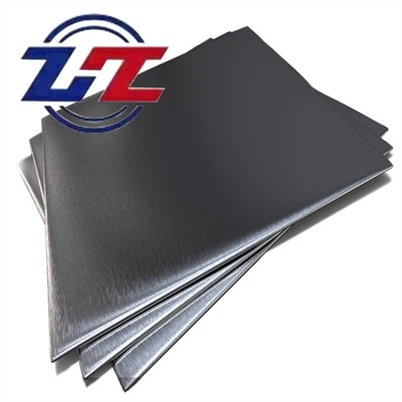
Niobium hafnium alloy c103 plate

Niobium hafnium alloy c103 rod

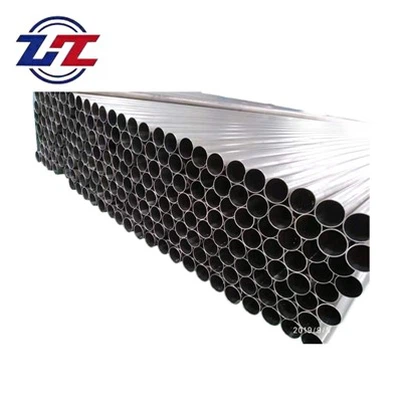
Niobium hafnium alloy c103 tube

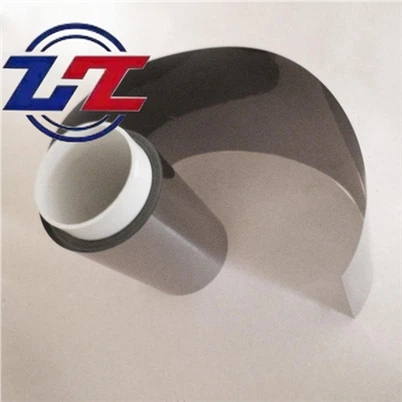
Niobium hafnium alloy c103 foil

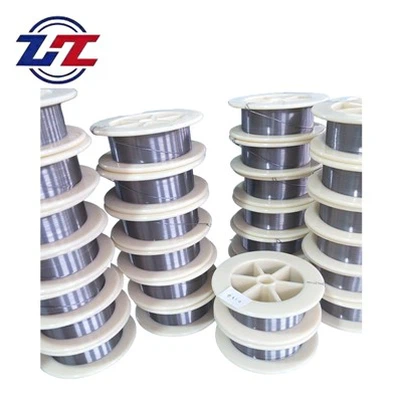
Niobium hafnium alloy c103 wire

Niobium hafnium alloy c103 flange
Important applications in international space projects
The advantages of C-103 alloy have been validated in multiple international space projects. For example, NASA uses C-103 alloy in the lunar portal PPE module, which is used for both the anti plasma accelerator grid (supporting the X3 Hall effect thruster) and the ultra light satellite bus structure. Through selective laser sintering, the material effectively reduced 60% of xenon propellant shaking during orbital maneuvering, demonstrating excellent performance.
This application demonstrates the enormous potential of C-103 alloy in additive manufacturing, especially in the transfer mission from low Earth orbit to the moon, where thermal cycling resistance becomes a key technology. The C-103 alloy has undergone over 500 thermal cycling tests and still maintains excellent performance in the temperature range of -150 ° C to 1200 ° C. The project achieved a savings of "20%" in large-scale production, significantly reducing costs compared to traditional titanium alloy designs.
Innovation in Attitude Control Engines
In attitude control thrusters, C-103 alloy is widely used for thrust chamber extension, especially in orbital/maneuvering engines. Through superplasticity forming technology, components with ultra-thin 0.2mm walls can be manufactured, ensuring lightweight design for complex geometric shapes. China Aerospace Science and Industry Corporation (CASIC) has successfully applied this technology to the fuel chamber of satellite thrusters and achieved significant structural efficiency improvements.
In addition, the HIP densification process of C-103 alloy ensures the pore free microstructure of spacecraft components in high-pressure applications, further improving the material's performance. Its antioxidant properties have tripled the service life of C-103 in reusable engine liners for low Earth orbit satellites.
Application in Nuclear Reactor Components
C-103 alloy has also demonstrated excellent performance in nuclear fusion applications, especially as the first wall armor plate in the ITER fusion reactor. Under deuterium tritium bombardment, it can maintain a plasma sputtering resistance of ≥ 10 MW/m ² and has extremely high corrosion resistance. In the fuel cladding of a nuclear reactor, C-103 alloy can last for 10 years in a liquid sodium environment and has a lifespan five times longer than stainless steel.
Future prospects: Integration of aerospace and nuclear technology
With the continuous development of aerospace technology and nuclear thermal propulsion, the advantages of C-103 alloy in plasma sputtering resistance and liquid metal compatibility will open up broad application prospects for new fields such as the first wall of fusion reactors and deep space probes. Despite facing challenges such as anti-oxidation and fatigue life prediction of ultra-thin components, material genetic engineering and artificial intelligence assisted design may become key breakthroughs in the development of next-generation niobium alloys.
As Dr. Smith, a materials scientist at NASA, said, "C-103 redefines the cost performance boundary of aerospace high-temperature materials, and its story is far from over
The application prospects of niobium hafnium alloy C-103 in the aerospace field are broad. From rocket engine components to satellite propulsion systems, to nuclear reactor components, C-103 has become the core material for modern spacecraft design and manufacturing due to its excellent performance and innovative technology. If your company is seeking high-quality C-103 alloy materials and wants to obtain suppliers with competitive prices, Shaanxi Zhongheng Weichuang Metal Materials Co., Ltd. is more than happy to cooperate with you. We are committed to providing first-class rare metal products to meet your production needs.