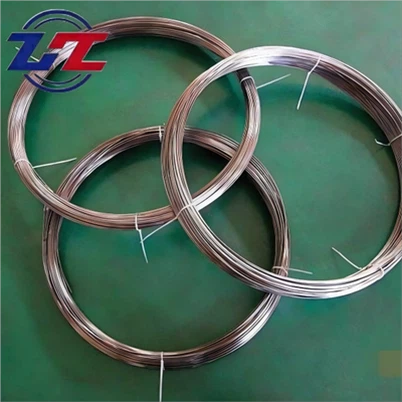
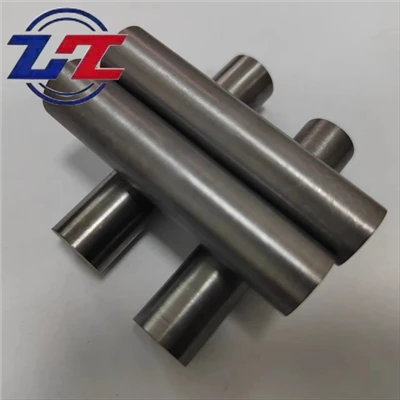
C103 vs Nb-1Zr Alloy
Leave a message
Quick Selection Guide for Procurement & Project Managers
When sourcing niobium-based alloys for high-temperature projects, C103 and Nb-1Zr are often evaluated together. While both operate in similar temperature ranges, they serve different project priorities.
This guide focuses on selection logic, not metallurgical theory.
Core Difference at a Glance
| Decision Factor | C103 Alloy | Nb-1Zr Alloy |
| Primary advantage | High-temperature strength | Fabrication reliability |
| Load-bearing capability | High | Medium |
| Creep resistance | Excellent | Limited |
| Forming & welding | More demanding | Easier |
| Typical cost level | Higher | Lower |
When C103 Is the Better Choice
Choose C103 if your project involves:
- Sustained mechanical load at high temperature
- Long service life under thermal stress
- Performance-driven aerospace or propulsion systems
Typical scenarios:
Rocket engine components, hot-zone structural parts, high-stress thermal assemblies.


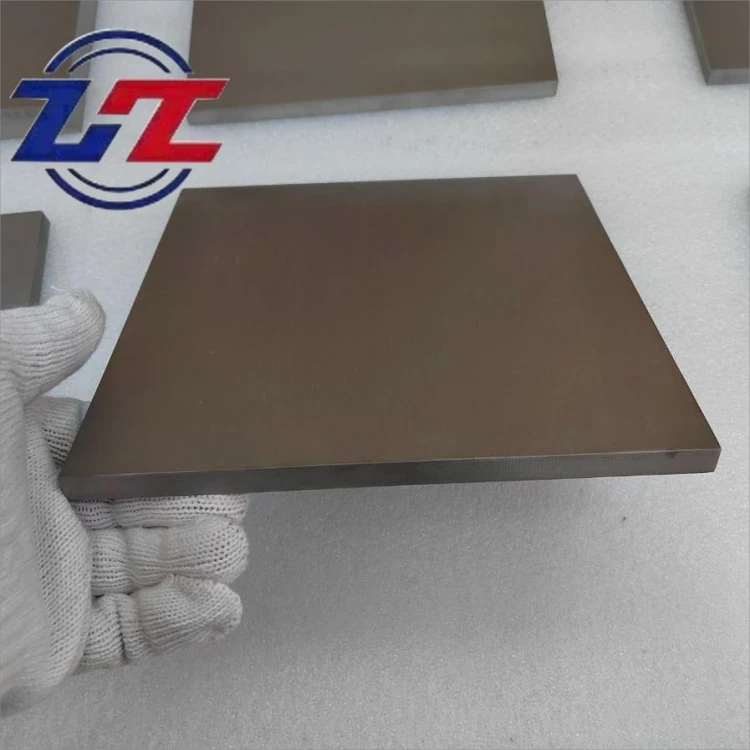

When Nb-1Zr Is the Better Choice
Choose Nb-1Zr if your project prioritizes:
- Welding, forming, or complex fabrication
- Dimensional stability over extreme strength
- Cost control with moderate performance requirements
Typical scenarios:
Vacuum systems, chemical equipment, nuclear-related structures, welded assemblies.
Risk & Cost Considerations
1.C103
Higher raw material and processing cost
Requires stricter oxidation and process control
Best suited for high-value, high-risk applications
2.Nb-1Zr
More forgiving during fabrication
Lower manufacturing risk
Suitable for repeatable or volume projects
Practical Procurement Tip
If the design does not explicitly require high creep strength, Nb-1Zr is often the more economical and reliable choice.
If failure under thermal load is not acceptable, C103 provides a higher safety margin despite higher cost.
Final Takeaway
- C103 = Performance-first alloy
- Nb-1Zr = Process-first alloy
Selecting the right alloy early reduces redesign risk, lead time, and total project cost.