Rising Demand For Rare Metals Signals A Structural Shift in Global Manufacturing
Leave a message
High-Value Manufacturing Is Reshaping Material Demand
Recent global trade data indicate a continued rise in exports of electric vehicles, renewable energy equipment, aerospace components, and advanced industrial systems. Behind this trend lies a less visible but critical change: growing demand for high-performance industrial materials, particularly rare and refractory metals.
Unlike previous export cycles driven by consumer goods, today's manufacturing growth is increasingly dependent on materials capable of operating under extreme temperature, corrosion, and long-service conditions. This shift is reshaping procurement strategies across multiple industries.

Why Rare Metals Are Becoming Strategic Inputs
Advanced manufacturing systems rely on materials that offer more than basic strength. Niobium-based alloys, tantalum, zirconium, and tungsten are increasingly specified due to their unique performance profiles:
- Stability at elevated temperatures
- Resistance to oxidation and chemical attack
- Mechanical reliability under long-term stress
- Compatibility with aerospace, nuclear, and energy systems
In applications such as propulsion components, thermal protection structures, nuclear equipment, and power-generation systems, material performance directly determines system reliability and lifecycle cost.
Niobium–Hafnium Alloys and High-Temperature Applications
Among high-temperature alloys, niobium–hafnium systems (including Nb-Hf-based alloys) are gaining wider attention for their ability to maintain strength and structural integrity at temperatures where conventional alloys begin to degrade.
These materials are increasingly used in aerospace thermal structures, advanced energy equipment, and experimental high-temperature environments, where precise chemical composition and processing control are essential.

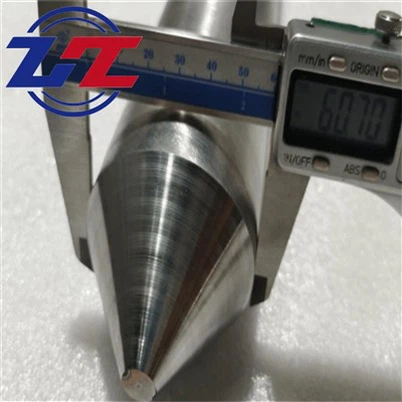
Niobium-hafnium-alloy-tips
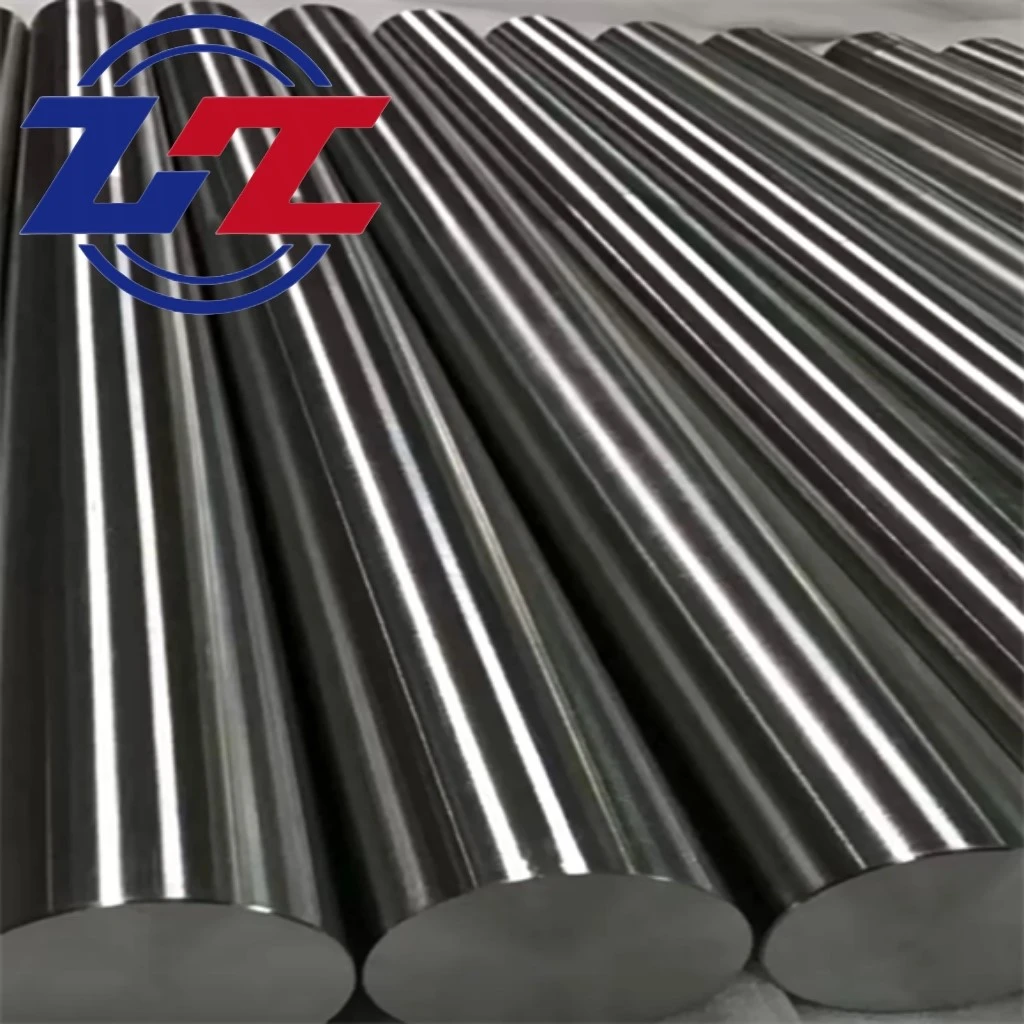
Niobium-hafnium-alloy-rods

Niobium-hafnium-alloy-sheets
Manufacturing Scale Is Changing Material Supply Expectations
As global manufacturing output scales up, buyers are no longer focused solely on material price. Instead, attention has shifted toward:
- Batch-to-batch consistency
- Reliable long-term supply
- Dimensional precision
- Full inspection and traceability
For rare metals and advanced alloys, supply capability is now evaluated as part of a broader industrial ecosystem, rather than as an isolated material transaction.
Integrated Supply Chains Reduce Project Risk
One factor supporting rising rare metal demand is the increasing integration of industrial supply chains. When raw materials, alloy production, forming, and inspection are closely coordinated, lead times shorten and quality variability is reduced.
For project-based industries-such as aerospace, energy infrastructure, and high-end equipment manufacturing-stable material availability can be as critical as technical performance.
What This Trend Means for Global Buyers
The ongoing increase in demand for rare metals suggests several practical considerations for procurement teams and engineers:
- Early material planning is becoming essential for project scheduling
- Supplier capability and processing expertise matter as much as nominal specifications
- Long-term cooperation helps mitigate market volatility and delivery risk
As manufacturing systems become more complex, materials are no longer interchangeable commodities but foundational components of industrial competitiveness.
A Structural, Long-Term Transition
The current expansion in rare metal usage reflects a broader transformation in global manufacturing. As industries move toward higher performance, longer service life, and stricter technical requirements, the role of advanced materials will continue to grow.
For companies involved in high-temperature alloys and rare metals, this is not a temporary cycle, but part of a long-term structural transition shaping the future of industrial production.